


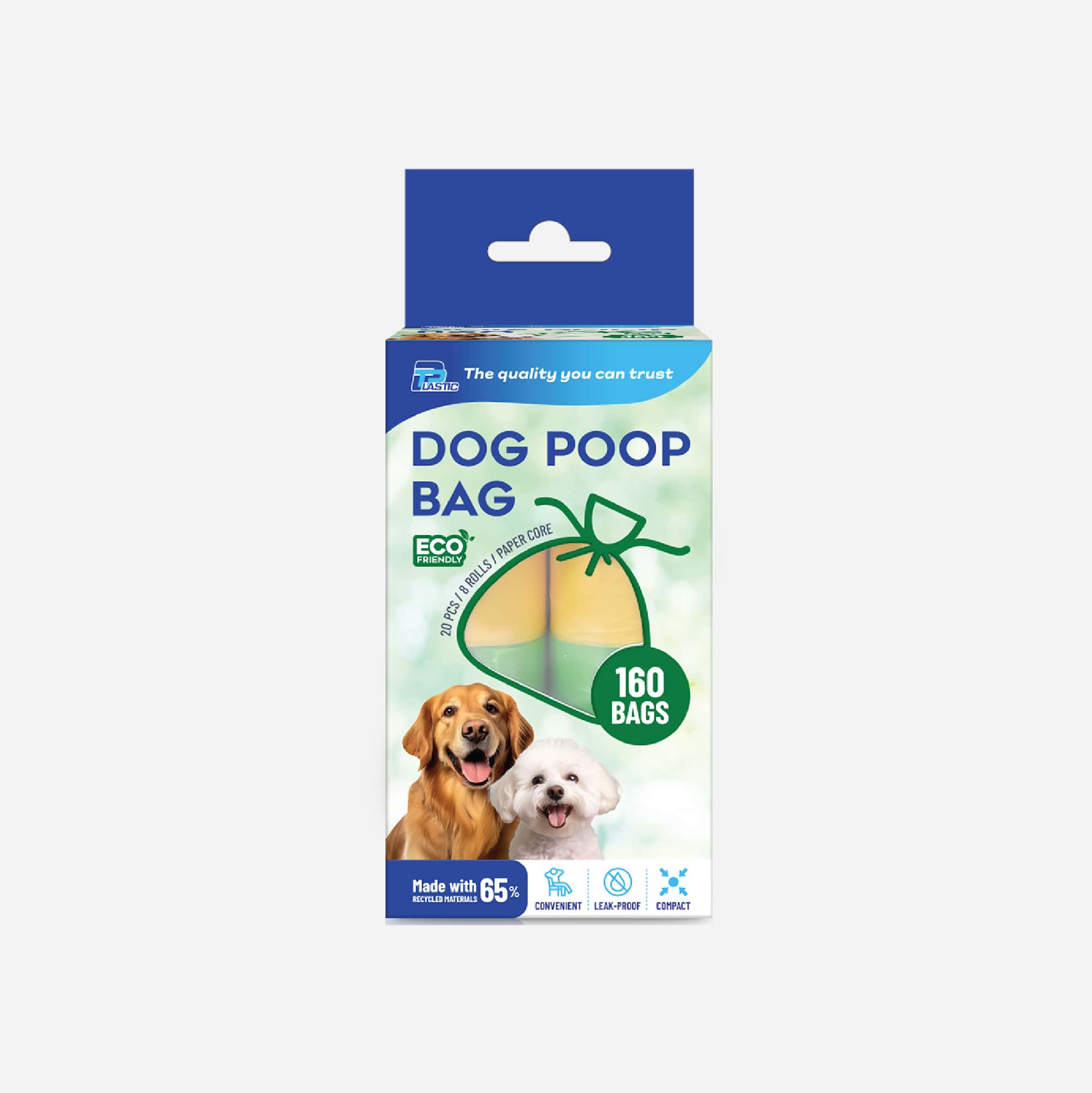
For pet owners, groomers, dog walkers, and pet supply businesses, pet poop bags may seem like a simple product. But in reality, bag quality plays a critical role in hygiene, user experience, brand trust, and operational efficiency — especially when these bags are used daily and purchased in bulk.
So what actually makes a strong, leak-proof pet poop bag?
Why do some bags tear, leak, or fail under pressure while others perform consistently?
This article breaks down the materials, construction, thickness, sealing, and real-world performance factors that determine whether a pet waste bag is reliable — and why buying quality bags in wholesale volume makes sense for businesses.
Why Pet Poop Bag Quality Matters More Than You Think
Pet poop bags are used in:
-
Daily dog walking
-
Grooming and boarding facilities
-
Veterinary clinics
-
Pet stores and subscription services
-
Municipal and community pet stations
A weak bag causes:
-
Leaks and contamination
-
Unpleasant handling
-
Customer complaints
-
Brand damage for resellers
A strong bag delivers:
-
Clean handling
-
Confidence for users
-
Reduced waste and returns
-
Better long-term cost efficiency
In bulk usage environments, quality issues multiply fast.
The Core Function of a Pet Poop Bag
A high-quality pet poop bag must do three things every single time:
-
Contain waste without leaking
-
Resist tearing during handling
-
Allow easy opening and tying
Failure at any point defeats the product’s purpose.
Material Matters: What Are Pet Poop Bags Made Of?
HDPE vs LDPE
Most pet poop bags are made from polyethylene, typically:
-
HDPE (High-Density Polyethylene)
-
Thinner feel
-
High tensile strength
-
Tear-resistant when properly sealed
-
Common in lightweight but strong bags
-
-
LDPE (Low-Density Polyethylene)
-
Softer, stretchier
-
Better puncture resistance
-
Thicker feel
-
Often used in premium or scented bags
-
A strong pet poop bag is not defined by material alone — it’s how material, thickness, and sealing work together.
Thickness: The Balance Between Strength & Usability
Thickness is often misunderstood.
Common Thickness Ranges
-
Ultra-thin bags: low cost, high failure risk
-
Standard bags: balanced strength and flexibility
-
Heavy-duty bags: added puncture resistance
Too thin:
-
Higher tear rate
-
Leak risk
-
Poor customer experience
Too thick:
-
Harder to open
-
Increased material cost
-
Unnecessary bulk
The best bags use optimized thickness, not excessive plastic.
Sealing Technology: The Hidden Strength Factor
Many failures occur not in the film — but at the seal.
Common Seal Types
-
Flat bottom seal
-
Star seal (less common for poop bags)
-
Reinforced bottom seal
A strong pet poop bag features:
-
Even heat sealing
-
No weak seal lines
-
Clean edges without thinning
Leak-proof performance depends heavily on seal integrity.
Size & Capacity: One Size Does NOT Fit All
A common reason for bag failure is undersizing.
Proper Bag Design Considers:
-
Dog size
-
Waste volume
-
Hand coverage
-
Knot-tying allowance
A well-designed bag:
-
Fully covers the hand during pickup
-
Allows tying without stress on the film
-
Prevents stretching at the bottom seam
For businesses, offering multiple size options improves satisfaction and reduces misuse.
Tear Resistance vs Stretch Resistance
Strong bags manage both forces:
-
Tear resistance prevents ripping when pulled
-
Stretch resistance prevents thinning under weight
Low-quality bags often stretch unevenly, leading to:
-
Micro tears
-
Seal failure
-
Leaks during tying
Quality bags stretch evenly and predictably.
Scented vs Unscented: Performance Differences
Scent does not equal strength — but formulation matters.
Scented Bags
-
Mask odor
-
Preferred by retail customers
-
Slightly more complex formulation
Unscented Bags
-
No fragrance additives
-
Often preferred by professionals
-
Lower allergy risk
Strength depends on film quality, not scent.
Leak-Proof Testing: What Really Matters
Reliable pet poop bags pass real-world tests such as:
-
Wet load hold
-
Puncture resistance
-
Stretch under weight
-
Seal stress during knotting
Wholesale buyers should always ask:
-
Thickness specifications
-
Material type
-
Quality control standards
Why Businesses Buy Pet Poop Bags Wholesale
1. Lower Cost per Bag
Retail pricing adds markup at every level.
Wholesale buying:
-
Reduces per-unit cost
-
Improves margins
-
Enables competitive pricing
2. Consistent Quality
Retail sourcing often means:
-
Mixed brands
-
Inconsistent thickness
-
Variable performance
Wholesale supply allows:
-
Fixed specifications
-
Stable quality
-
Reliable repeat orders
3. Operational Efficiency
Bulk packaging means:
-
Fewer reorders
-
Less downtime
-
Better inventory planning
This matters for:
-
Groomers
-
Boarding facilities
-
Pet service businesses
Bulk Packaging Options for Pet Poop Bags
Wholesale pet poop bags are commonly packed as:
-
Rolls per case
-
Large bulk cartons
-
Private-label packaging options
Bulk formats reduce:
-
Packaging waste
-
Storage complexity
-
Cost per unit
Sustainability Considerations
Many buyers ask about eco-friendly options.
While biodegradable and compostable bags exist, businesses must consider:
-
Shelf life
-
Storage conditions
-
Local disposal regulations
Strong conventional polyethylene bags remain the most reliable for high-volume professional use.
Choosing a Reliable Wholesale Supplier
Look for suppliers that provide:
-
Clear material and thickness specs
-
Stable inventory
-
Bulk pricing tiers
-
U.S. warehouse availability
-
Consistent production quality
Avoid suppliers with:
-
Vague descriptions
-
No thickness disclosure
-
Inconsistent packaging
Common Mistakes When Buying Pet Poop Bags
-
Choosing the cheapest option only
-
Ignoring seal quality
-
Buying bags too small
-
Switching suppliers frequently
-
Not testing before bulk purchase
A small cost difference often prevents major operational headaches.
Final Thoughts: Strength Is a System, Not a Single Feature
A strong, leak-proof pet poop bag is the result of:
-
Proper material selection
-
Optimized thickness
-
Reliable sealing
-
Correct sizing
-
Consistent manufacturing
For businesses, buying quality pet poop bags wholesale is not just about price — it’s about performance, reliability, and reputation.
When used daily, small failures add up fast.
Strong bags protect not only hands — but your brand.


2 thoughts on “Pet Poop Bags: What Makes a Strong, Leak-Proof Bag?”
Comments are closed.