


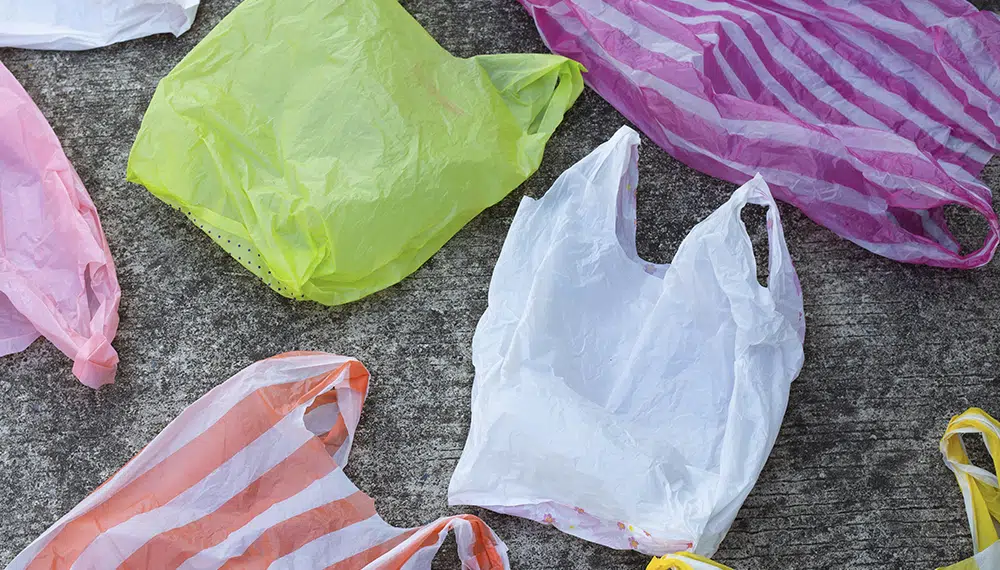
Plastic bags are widely used in retail, packaging, shipping, food service, and industrial environments. However, not all plastic bags are made from the same material. Three of the most common types are LDPE (Low-Density Polyethylene), HDPE (High-Density Polyethylene), and LLDPE (Linear Low-Density Polyethylene).
Each material offers different characteristics in terms of strength, flexibility, thickness, and cost. Understanding these differences helps businesses choose the right plastic bag for specific applications.
This guide explains the key differences between LDPE, HDPE, and LLDPE plastic bags, including their properties, advantages, and best use cases.
Table of Contents
ToggleWhat Are Polyethylene Plastics?
Polyethylene is one of the most widely used plastic polymers in the world. It is produced by polymerizing ethylene gas, resulting in different forms depending on the manufacturing process.
The three common variations used for plastic bags include:
LDPE – Low-Density Polyethylene
HDPE – High-Density Polyethylene
LLDPE – Linear Low-Density Polyethylene
Although they share a similar chemical origin, their molecular structures differ, which leads to distinct performance characteristics.
LDPE Plastic Bags (Low-Density Polyethylene)
Characteristics
LDPE bags are known for their softness and flexibility. The material has a lower density, which creates a more pliable plastic structure.
Key properties include:
Smooth texture
High flexibility
Good clarity
Moderate strength
Good moisture resistance
LDPE bags often feel thicker and softer compared to HDPE bags.
Common Applications
LDPE plastic bags are frequently used for:
Retail packaging
Garment bags
Bread bags
Produce bags
Poly mailers
Packaging liners
Because of their flexibility, LDPE bags are ideal for protecting lightweight items or products that require visibility.
Advantages of LDPE
Flexible and easy to handle
Good impact resistance
High clarity for product visibility
Suitable for sealing and printing
However, LDPE bags typically require greater thickness to achieve the same strength as HDPE.
HDPE Plastic Bags (High-Density Polyethylene)
Characteristics
HDPE bags are made from a denser molecular structure. This creates a material that is stiffer but very strong for its thickness.
Key properties include:
Thin yet strong film
Matte or slightly opaque appearance
High tensile strength
Lower flexibility than LDPE
HDPE bags are often thinner but surprisingly durable.
Common Applications
HDPE plastic bags are commonly used for:
Grocery store bags (T-shirt bags)
Thank-you bags
Retail shopping bags
Trash liners
Merchandise bags
These bags are popular because they provide high strength while using less material.
Advantages of HDPE
Excellent strength-to-thickness ratio
Lower material usage
Cost-efficient production
High load capacity for lightweight bags
However, HDPE bags may feel noisy or crinkly, which is a characteristic of the material structure.
LLDPE Plastic Bags (Linear Low-Density Polyethylene)
Characteristics
LLDPE is a newer polyethylene variation designed to improve both flexibility and strength.
Key properties include:
High puncture resistance
Excellent stretch capability
Strong tear resistance
Durable under heavy loads
LLDPE combines the flexibility of LDPE with improved durability.
Common Applications
LLDPE is widely used for:
Heavy-duty trash bags
Stretch film
Industrial packaging bags
Construction waste bags
Pallet wrapping film
Its ability to stretch without tearing makes it ideal for demanding packaging environments.
Advantages of LLDPE
Superior tear resistance
High stretch capability
Strong load containment
Ideal for heavy or irregular waste
Because of these properties, LLDPE is often chosen for industrial and commercial packaging applications.
Comparing LDPE, HDPE, and LLDPE
|
Property |
LDPE |
HDPE |
LLDPE |
|---|---|---|---|
|
Flexibility |
High |
Low |
High |
|
Strength |
Moderate |
High |
Very High |
|
Thickness Needed |
Medium |
Thin |
Medium |
|
Puncture Resistance |
Moderate |
Moderate |
High |
|
Appearance |
Clear/Smooth |
Opaque/Crinkly |
Slightly cloudy |
|
Best For |
Retail packaging |
Shopping bags |
Industrial bags |
Each material has strengths suited to different uses.
Choosing the Right Plastic Bag for Your Business
Choose LDPE When:
Flexibility is important
Product visibility matters
Bags require smooth texture
Choose HDPE When:
Cost efficiency is critical
Lightweight shopping bags are needed
High strength with minimal thickness is preferred
Choose LLDPE When:
Heavy or sharp waste must be contained
High puncture resistance is required
Industrial durability is needed
Selecting the correct material improves both performance and cost efficiency.
Environmental Considerations
All three polyethylene types are recyclable in many systems, although recycling availability depends on local facilities.
Businesses seeking sustainable packaging often explore:
Recycled polyethylene content
Thinner film technologies
Efficient material usage
Choosing the right material reduces unnecessary plastic consumption.
Why Material Selection Matters for Packaging Performance
Using the wrong material can lead to:
Bag tearing or leakage
Increased packaging cost
Poor user experience
For example:
Using HDPE for heavy construction waste may cause tearing
Using LDPE for lightweight grocery bags may increase material cost unnecessarily
Material choice directly affects performance and efficiency.
Final Thoughts
LDPE, HDPE, and LLDPE plastic bags each serve different purposes in packaging and waste management.
LDPE offers flexibility and clarity for retail and packaging.
HDPE provides strength with minimal material, making it ideal for shopping bags.
LLDPE delivers durability and puncture resistance for heavy-duty applications.
Understanding these differences helps businesses choose the right plastic bag material for their specific needs, improving performance while controlling costs.


