


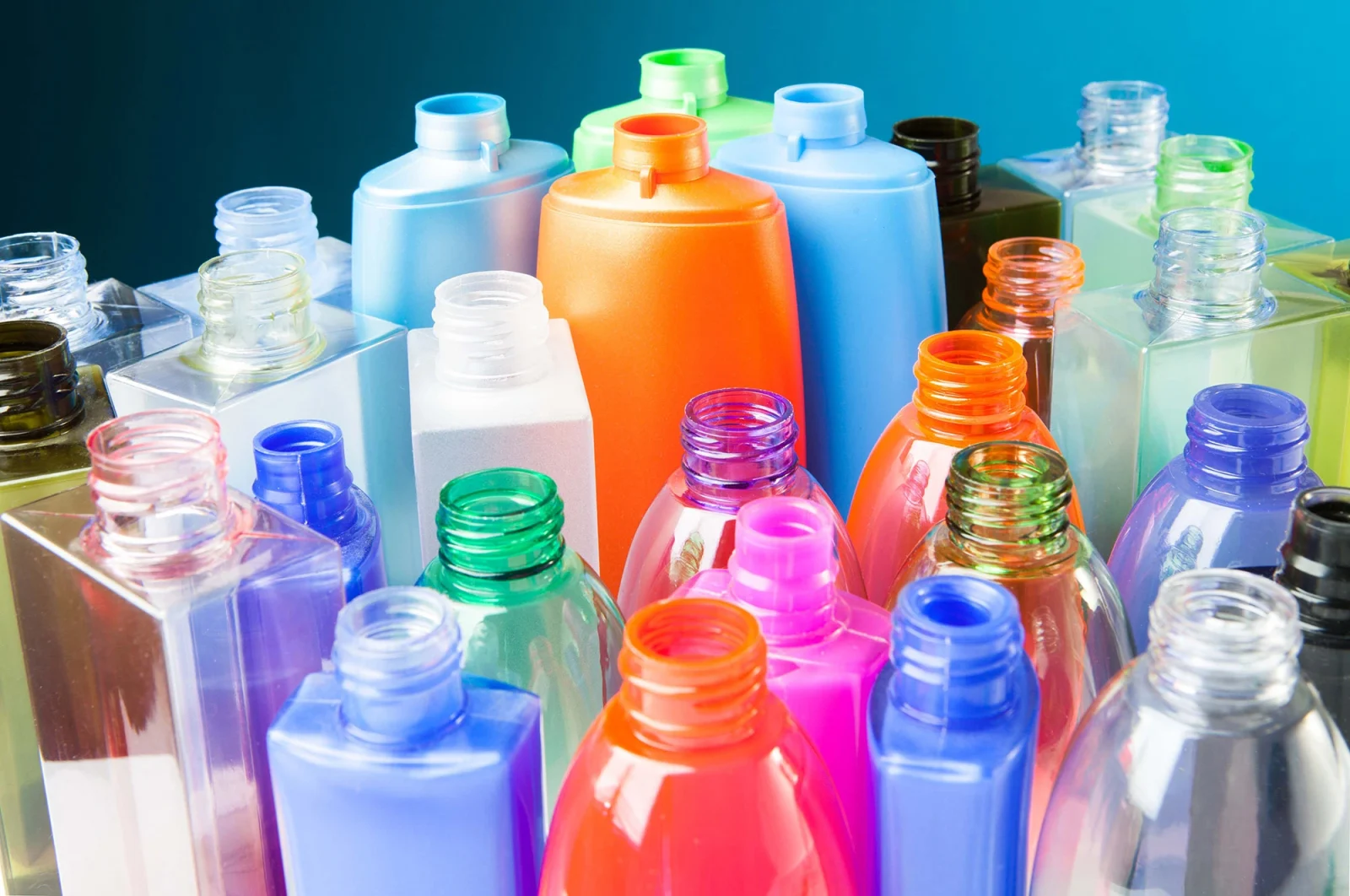
Choosing the right plastic for your product is critical for ensuring durability, cost-effectiveness, and sustainability. With so many types of plastics available, selecting the best material can be overwhelming. In this guide, we’ll break down the different types of plastics, their properties, and how to choose the perfect one for your specific application.
👉 Looking for high-quality plastic solutions? Visit tpplasticusa.com for expert guidance and top-grade materials!
Table of Contents
ToggleWhy Choosing the Right Plastic Matters
Plastics are used in everything from food packaging to automotive parts. The right choice depends on several factors, including:
✔ Durability – How strong does the plastic need to be?
✔ Temperature Resistance – Will it be exposed to heat or cold?
✔ Chemical Resistance – Will it interact with acids, oils, or other chemicals?
✔ Cost – What’s your budget for materials?
✔ Recyclability – Do you need an eco-friendly option?
Understanding Different Types of Plastics & Their Uses
There are two main categories of plastics:
1️⃣ Thermoplastics – Can be heated and reshaped multiple times. Ideal for recycling and molding.
2️⃣ Thermosets – Harden permanently after being molded. Great for heat-resistant applications.
Here are some of the most common plastics and their applications:
1. Polyethylene (PE) – Lightweight & Versatile
🔹 Types: Low-Density Polyethylene (LDPE), High-Density Polyethylene (HDPE)
🔹 Common Uses: Bottles, plastic bags, food containers, pipes
🔹 Pros: Flexible, moisture-resistant, cost-effective
🔹 Cons: Low heat resistance, can degrade under UV exposure
✅ Best For: Packaging, consumer goods, and piping solutions
2. Polypropylene (PP) – Durable & Heat Resistant
🔹 Common Uses: Food containers, medical devices, automotive parts, textiles
🔹 Pros: Heat-resistant, chemical-resistant, lightweight
🔹 Cons: Brittle in very cold temperatures
✅ Best For: Food packaging, automotive components, medical applications
3. Polyvinyl Chloride (PVC) – Strong & Chemical-Resistant
🔹 Common Uses: Pipes, credit cards, flooring, medical tubing
🔹 Pros: Rigid or flexible, excellent chemical resistance
🔹 Cons: Contains chlorine, which can release toxic fumes when burned
✅ Best For: Construction materials, medical equipment, industrial applications
4. Polystyrene (PS) – Lightweight & Cost-Effective
🔹 Types: Expanded Polystyrene (EPS), General-Purpose Polystyrene (GPPS)
🔹 Common Uses: Disposable cups, insulation, electronics packaging
🔹 Pros: Lightweight, easy to mold, excellent insulation
🔹 Cons: Brittle, not very eco-friendly
✅ Best For: Packaging, insulation, single-use food products
5. Polycarbonate (PC) – High-Strength & Transparent
🔹 Common Uses: Safety glasses, DVDs, automotive parts, medical equipment
🔹 Pros: Extremely strong, impact-resistant, transparent
🔹 Cons: Expensive, prone to scratching
✅ Best For: Protective gear, high-performance applications
6. Acrylonitrile Butadiene Styrene (ABS) – Tough & Impact-Resistant
🔹 Common Uses: LEGO bricks, automotive parts, electronic housings
🔹 Pros: Durable, resistant to impact, easy to mold
🔹 Cons: Low UV resistance, can be affected by certain chemicals
✅ Best For: Automotive, consumer electronics, industrial applications
7. Polylactic Acid (PLA) – Eco-Friendly & Biodegradable
🔹 Common Uses: Food packaging, 3D printing, disposable cutlery
🔹 Pros: Biodegradable, made from renewable sources
🔹 Cons: Lower heat resistance, less durable than traditional plastics
✅ Best For: Sustainable packaging, disposable items, eco-friendly products
How to Choose the Right Plastic for Your Product
1. Consider the End Use of Your Product
Ask yourself:
🔹 Will the product need to withstand high temperatures? → Choose Polypropylene or Polycarbonate
🔹 Will it be exposed to moisture? → Choose Polyethylene or PVC
🔹 Does it need to be impact-resistant? → Choose ABS or Polycarbonate
🔹 Is sustainability a concern? → Choose PLA or Recyclable PE/PP
2. Assess the Manufacturing Process
Different plastics work better for different production methods:
✅ Injection Molding – Best for ABS, PP, and PE
✅ Thermoforming – Ideal for PS, PET, and PVC
✅ Blow Molding – Used for HDPE and PET bottles
✅ 3D Printing – Common for PLA and ABS
3. Compare Cost & Availability
- For budget-friendly materials, choose PE, PP, or PS.
- For high-performance applications, choose PC or ABS.
- For sustainable options, consider PLA or recycled plastics.
4. Evaluate Regulations & Safety Standards
Ensure your chosen plastic meets FDA, USDA, or UL certifications for food, medical, and electrical applications.
Conclusion: Making the Right Plastic Choice for Your Product
Selecting the best plastic material is a crucial step in ensuring your product meets durability, cost, and sustainability requirements. By understanding the unique properties of each type of plastic, you can make an informed decision that balances performance and efficiency. Whether you need a strong, impact-resistant plastic like ABS, a heat-resistant option like PP, or an eco-friendly choice like PLA, the right material will ultimately depend on your application and industry standards.
💡 Need expert guidance on selecting the perfect plastic?
Visit tpplasticusa.com for top-quality plastic materials and custom solutions!


