


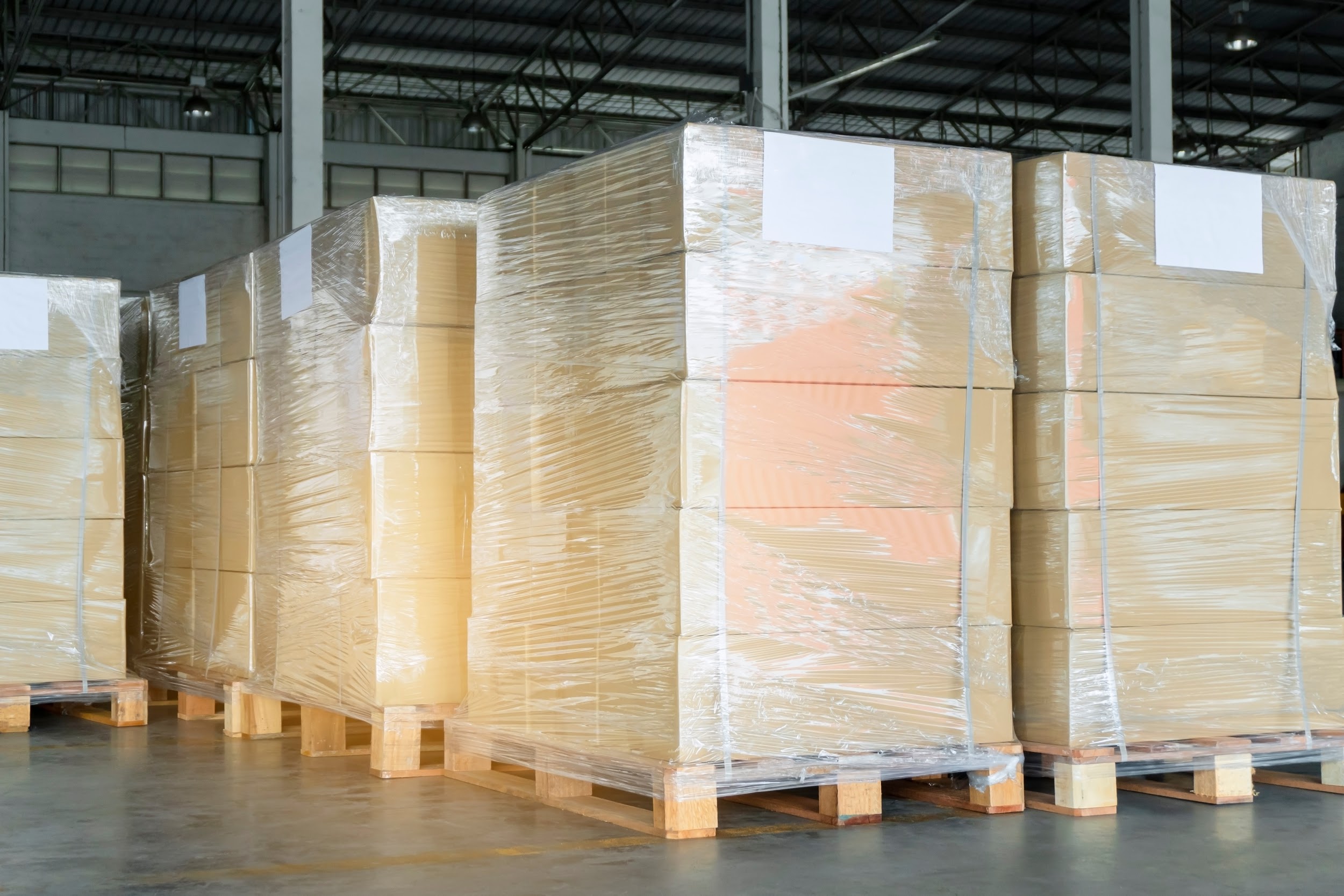
In modern logistics and warehousing, palletized shipments move through multiple stages before reaching their destination. From forklift handling to truck transport and unloading, each step introduces forces that can destabilize poorly secured loads.
One of the most effective ways to protect palletized goods is proper stretch wrapping. When applied correctly, stretch film creates containment force that stabilizes cartons and prevents movement during transportation.
However, improper wrapping is a common issue in many warehouses. Loads that appear secure at first may still shift or collapse during transit due to poor film application, incorrect tension, or inadequate wrapping patterns.
This article explains how stretch wrapping works, why pallet loads shift, and how proper wrapping techniques help prevent shipping damage.
Why Pallet Loads Shift During Shipping
Shipping environments expose pallets to several forces:
-
Road vibration
-
Sudden braking or acceleration
-
Forklift movement
-
Trailer stacking pressure
If cartons are not tightly secured together, these forces cause items to move independently. Over time, even small shifts can lead to:
-
Leaning pallets
-
Crushed cartons
-
Damaged products
-
Entire load collapse
Stretch wrapping prevents these issues by turning individual cartons into a single stable unit.
What Is Containment Force?
Containment force is the tension applied by stretch film that holds a palletized load together.
When stretch film is stretched and wrapped around the pallet, it attempts to return to its original length. This creates pressure around the load, compressing cartons toward the center.
The stronger and more consistent the containment force, the more stable the pallet becomes.
Without sufficient containment force, stretch film acts only as a loose covering rather than a structural stabilizer.
The Importance of Anchoring the Film to the Pallet
One of the most critical steps in stretch wrapping is anchoring the film to the pallet base.
If the film only wraps the cartons and not the pallet itself, the entire load can slide off the pallet during movement.
Proper wrapping should begin by:
-
Securing film around the pallet base
-
Completing several revolutions around the bottom
This anchors the load directly to the pallet platform.
Correct Wrap Pattern for Load Stability
An effective wrapping pattern typically includes three key zones.
Base Wrap
Several tight wraps around the pallet base secure the load to the pallet.
Middle Containment Wrap
Film layers are applied with consistent overlap to compress the cartons together.
Top Stabilization Wrap
Extra wraps near the top prevent upper cartons from shifting or tipping.
Each zone contributes to overall load stability.
The Role of Film Tension
Stretch film must be applied with sufficient tension to generate containment force.
If tension is too low:
-
The film becomes loose
-
Cartons can shift inside the wrap
If tension is too high:
-
The film may tear
-
Cartons may deform
Consistent tension ensures the load remains secure without damaging the packaging.
Film Overlap and Layering
Another important factor in pallet wrapping is overlap between film layers.
Typically, each pass of stretch film should overlap the previous layer by about 50 percent.
This overlap:
-
Reinforces containment strength
-
Prevents weak points in the wrap
-
Improves overall durability
Insufficient overlap creates gaps where cartons may move.
Stretch Film Types and Their Impact
Different stretch film types perform differently under stress.
Cast Stretch Film
-
Smooth and quiet during application
-
High clarity
-
Ideal for consistent loads
Blown Stretch Film
-
Higher puncture resistance
-
Stronger in demanding environments
-
Suitable for irregular or heavy loads
Selecting the right film type improves load containment.
Hand Wrapping vs Machine Wrapping
Manual Wrapping
Hand wrapping is common in smaller warehouses but can lead to inconsistent results due to operator fatigue or technique variations.
Machine Wrapping
Automated pallet wrappers apply film with controlled tension and consistent patterns, resulting in better load stability and material efficiency.
High-volume operations often benefit from machine wrapping systems.
Common Stretch Wrapping Mistakes
Many pallet failures occur because of simple wrapping mistakes.
Common issues include:
-
Starting wrap too high on the pallet
-
Using insufficient film layers
-
Inconsistent film tension
-
Wrapping irregular loads without reinforcement
Correcting these mistakes significantly reduces shipping damage.
Impact on Shipping Damage and Costs
Unstable pallet loads increase the likelihood of:
-
Damaged products
-
Return shipments
-
Customer complaints
-
Freight claims
Proper stretch wrapping reduces these risks and improves shipping reliability.
For businesses shipping large volumes, even small improvements in wrapping technique can lead to significant cost savings.
Worker Safety Benefits
Properly wrapped pallets also improve workplace safety.
Unstable loads can lead to:
-
Falling cartons
-
Forklift accidents
-
Worker injuries
Secure pallets reduce these hazards during handling and transportation.
Quality Stretch Film Matters
Even the best wrapping technique cannot compensate for poor-quality stretch film.
Reliable stretch film should provide:
-
Consistent thickness
-
Strong elasticity
-
Good puncture resistance
Using quality film ensures consistent containment performance across all shipments.
Final Thoughts
Pallet load shifting is a major cause of shipping damage, but it is largely preventable.
Proper stretch wrapping techniques help businesses:
-
Stabilize palletized goods
-
Reduce product damage
-
Improve warehouse efficiency
-
Enhance workplace safety
By focusing on correct wrapping methods and using reliable stretch film, companies can significantly improve the protection of their shipments throughout the supply chain.


