


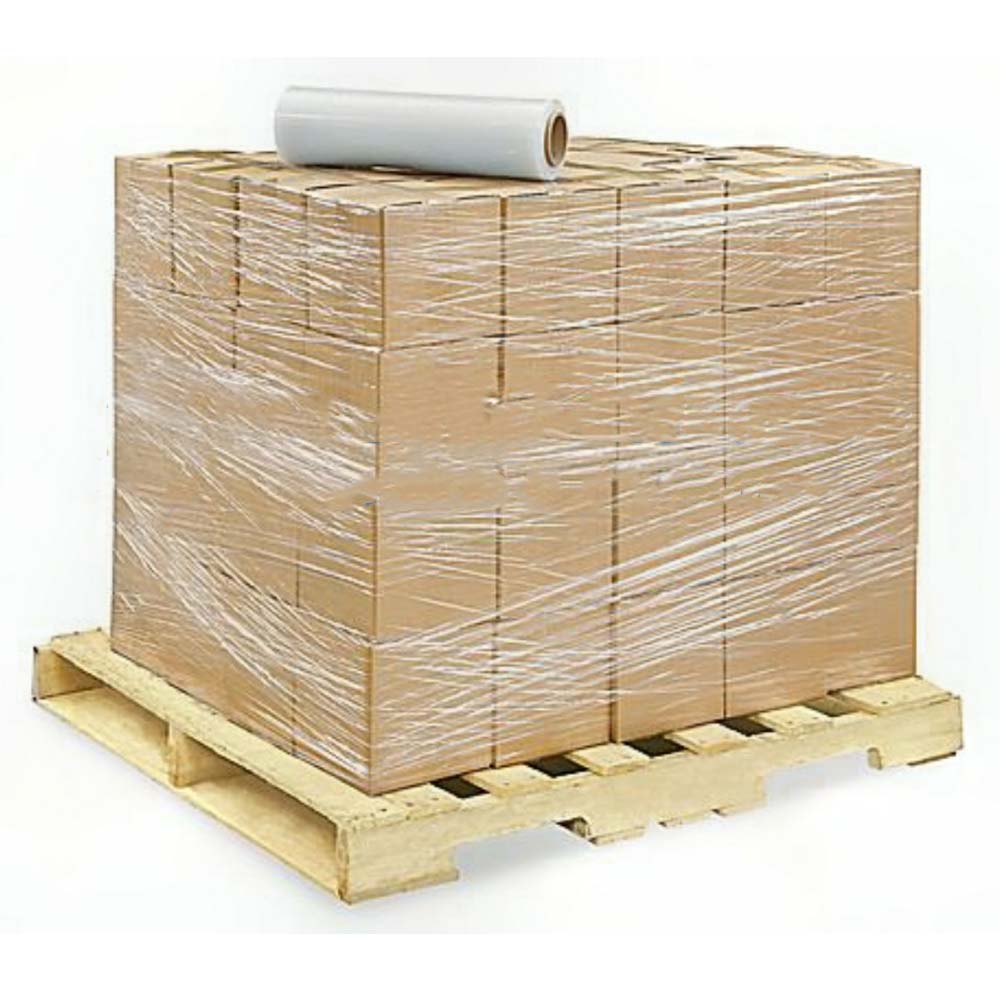
In warehouses and distribution centers, one of the most overlooked causes of shipping damage is improper pallet wrapping. Even when products are packaged well individually, a poorly wrapped pallet can lead to shifting loads, crushed cartons, and damaged goods during transport.
Proper pallet wrapping using stretch film helps businesses stabilize loads, reduce product damage, and improve shipping efficiency. Yet many operations underestimate how much wrapping technique affects overall shipping performance.
This guide explains how pallet wrapping works, the mistakes that cause damage, and the best practices that keep shipments secure from warehouse to destination.
Why Pallet Stability Matters in Shipping
During transportation, pallets experience multiple stresses:
-
Forklift handling
-
Truck vibration
-
Sudden braking
-
Uneven road conditions
-
Stacking in trailers
Without proper containment, loads can shift, tilt, or collapse.
Even minor movement can cause:
-
Carton deformation
-
Broken products
-
Torn packaging
-
Entire pallet failure
Pallet wrapping is the first line of defense against load instability.
The Role of Stretch Film in Pallet Protection
Stretch film secures products to a pallet by creating containment force.
When applied correctly, the film:
-
Compresses the load together
-
Anchors the cartons to the pallet base
-
Absorbs vibration during transit
This tension prevents products from shifting independently.
Without adequate containment force, pallets behave like loose stacks of boxes instead of a single stable unit.
Step 1: Build a Stable Pallet Before Wrapping
Stretch film cannot fix a poorly stacked pallet.
Before wrapping, ensure the load is:
-
Evenly distributed
-
Square and aligned
-
Free from overhanging cartons
Overhang creates weak points that increase the risk of crushing and tearing.
A stable load structure is the foundation of effective wrapping.
Step 2: Anchor the Film to the Pallet
One of the most common mistakes is starting the wrap too high.
The film must secure both:
-
The pallet base
-
The product load
Begin wrapping at the bottom of the pallet and complete several revolutions around the base. This anchors the load and prevents sliding.
Without this step, cartons may shift independently from the pallet.
Step 3: Maintain Consistent Tension
Stretch film works because of tension.
If tension is inconsistent:
-
Some areas become loose
-
Containment force is uneven
-
Load movement becomes possible
Consistent tension ensures the film holds the entire pallet tightly together.
In manual wrapping, operators must maintain steady pulling force.
Step 4: Use Proper Overlap Between Layers
Film layers should overlap approximately 50 percent.
This overlap:
-
Increases overall containment strength
-
Reduces gaps in coverage
-
Prevents weak spots in the wrap
Insufficient overlap creates areas where cartons may shift.
Step 5: Reinforce the Top of the Load
The top portion of the pallet is vulnerable to shifting.
Wrapping the top layers helps:
-
Lock upper cartons in place
-
Prevent tipping during forklift handling
-
Improve overall stability
A final wrap around the top ensures the entire pallet acts as one unit.
Step 6: Choose the Right Stretch Film Type
Stretch film performance varies based on material and manufacturing method.
Cast Stretch Film
-
Clear and quiet
-
Smooth release from rolls
-
Ideal for uniform loads
Blown Stretch Film
-
Higher puncture resistance
-
Better for irregular loads
-
Stronger in demanding environments
Choosing the correct film type improves load containment.
Hand Wrapping vs Machine Wrapping
Hand Wrapping
Best for:
-
Low-volume operations
-
Small warehouses
-
Occasional pallet wrapping
Advantages:
-
Lower equipment cost
-
Flexible application
Limitations:
-
Inconsistent tension
-
Slower wrapping speed
Machine Wrapping
Best for:
-
High-volume warehouses
-
Distribution centers
-
Standardized pallet loads
Advantages:
-
Consistent tension
-
Faster wrapping
-
Lower material waste
Automated wrapping improves both efficiency and load stability.
Common Pallet Wrapping Mistakes
Wrapping Too Loosely
Loose film fails to generate containment force.
Overwrapping Excessively
Too many layers increase cost without improving stability.
Ignoring Load Shape
Irregular pallets require stronger film or additional wraps.
Using Incorrect Film Thickness
Film that is too thin may tear; film that is too thick may not stretch effectively.
Cost Benefits of Proper Wrapping
Improving pallet wrapping technique reduces:
-
Product damage
-
Return shipments
-
Customer complaints
-
Insurance claims
It also lowers material usage when wrapping is optimized.
Better wrapping improves both protection and cost efficiency.
Safety Benefits in the Warehouse
Unstable pallets can create serious safety risks.
Proper wrapping helps prevent:
-
Falling cartons
-
Forklift load shifts
-
Workplace accidents
Stable pallets are safer for workers handling and transporting goods.
How to Evaluate Your Current Wrapping Process
To assess pallet wrapping effectiveness:
-
Inspect pallets after transport
-
Look for shifting cartons
-
Review damage reports
-
Observe wrapping technique on the floor
Small adjustments often produce major improvements.
The Role of Quality Stretch Film
Even the best technique cannot compensate for low-quality film.
Reliable stretch film should provide:
-
Consistent thickness
-
Strong stretch recovery
-
Reliable puncture resistance
Quality materials ensure wrapping performance remains predictable.
Final Thoughts: Pallet Wrapping Is a Critical Shipping Step
Pallet wrapping is often treated as a routine task, but it has a major impact on shipping success.
Proper wrapping:
-
Stabilizes loads
-
Reduces product damage
-
Improves warehouse efficiency
-
Enhances workplace safety
For businesses shipping large volumes, optimizing pallet wrapping is one of the simplest ways to protect products and reduce logistics costs.


