


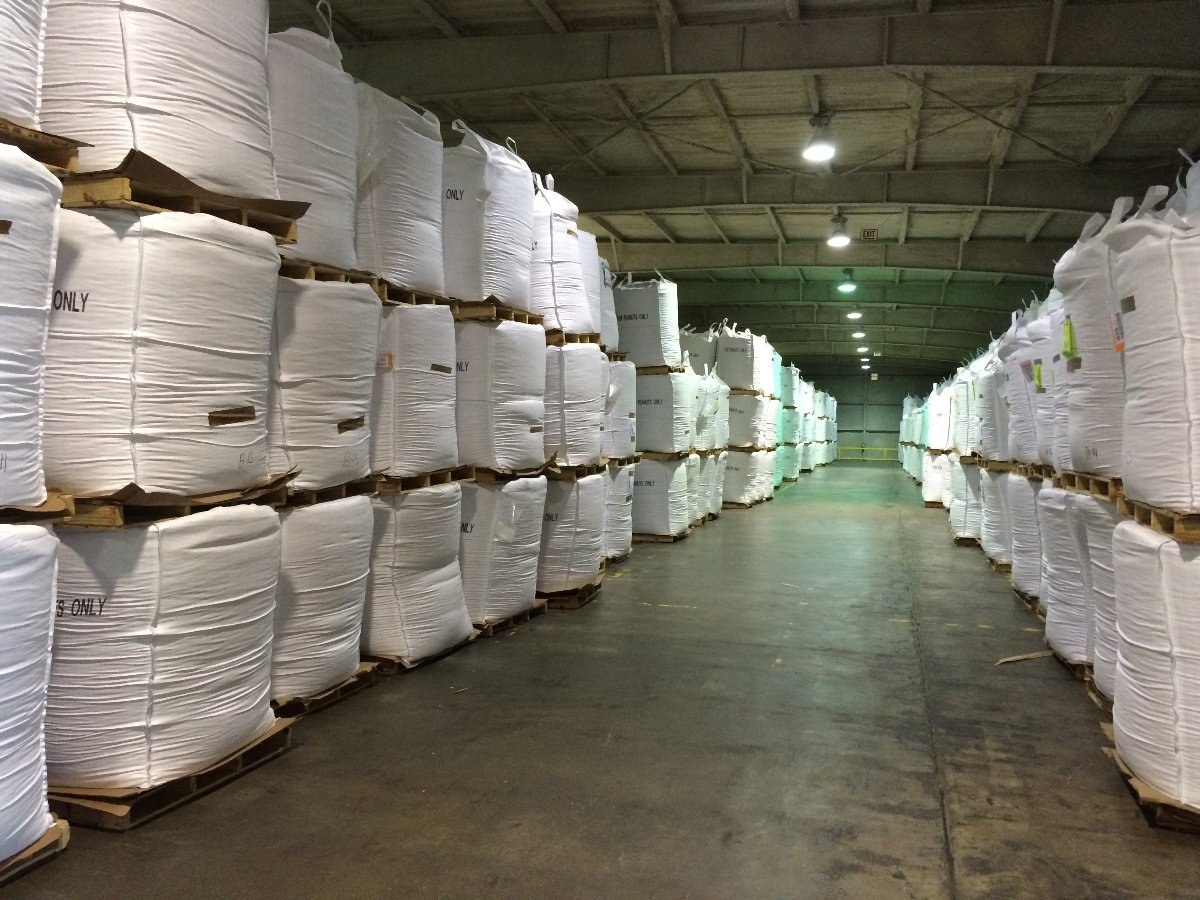
For growing businesses, packaging costs often hide in plain sight. Individually, boxes, bags, film, gloves, or trash bags seem inexpensive. But at scale, packaging becomes a recurring operational expense that directly affects margins.
This is why many businesses—e-commerce sellers, warehouses, manufacturers, salons, and service operators—shift from retail purchasing to bulk packaging supplies. The savings are not just about cheaper unit prices; they come from efficiency, predictability, and smarter operations.
This article explains how businesses save real costs with bulk packaging supplies, where those savings actually come from, and how to avoid common bulk-buying mistakes.
What Are Bulk Packaging Supplies?
Bulk packaging supplies are packaging materials purchased in:
-
Full cases
-
Pallets
-
Truckload quantities
Instead of buying small retail packs repeatedly, businesses secure large-volume inventory at wholesale pricing.
Common bulk packaging items include:
-
Poly mailer bags
-
PE stretch film
-
Trash bags
-
Disposable gloves
-
Spa and service disposables
These products are consumed daily, making them ideal for bulk purchasing.
Cost Savings Start with Lower Unit Pricing
The most visible benefit of bulk purchasing is lower cost per unit.
Retail vs Bulk Pricing Reality
Retail pricing includes:
-
Distributor markup
-
Retail overhead
-
Packaging and handling costs
-
Frequent shipping fees
Bulk pricing removes several layers of markup. Even a few cents saved per unit becomes substantial when multiplied across thousands of uses per month.
For high-consumption items, bulk pricing directly protects margins.
Reduced Shipping Cost per Unit
Retail purchases often mean:
-
Frequent small shipments
-
Higher shipping cost per order
-
Repeated handling fees
Bulk packaging supplies are typically shipped:
-
By pallet
-
In consolidated freight
-
At lower cost per unit
This reduces:
-
Transportation cost per item
-
Administrative work
-
Receiving time in warehouses
Fewer Emergency Orders = Hidden Savings
Retail purchasing often leads to:
-
Running out of supplies
-
Paying rush shipping fees
-
Disrupting daily operations
Bulk inventory allows businesses to:
-
Plan reorder cycles
-
Avoid emergency purchases
-
Maintain uninterrupted workflows
The cost of last-minute ordering is often higher than the product itself.
Labor Efficiency: The Overlooked Advantage
Bulk packaging improves labor efficiency in several ways:
Less Time Ordering
-
Fewer purchase orders
-
Less administrative work
-
Simplified supplier management
Faster Daily Operations
-
Packaging materials always available
-
No work stoppage due to stock-out
-
Consistent materials improve packing speed
Labor time saved equals real money saved, especially in high-volume environments.
Standardized Packaging Reduces Waste
Retail buying often causes:
-
Mixed brands
-
Inconsistent sizes
-
Variable quality
Bulk purchasing allows businesses to:
-
Standardize packaging materials
-
Reduce trial-and-error waste
-
Minimize repacking or double-bagging
Standardization leads to predictable performance and lower material usage.
Inventory Planning & Cash Flow Control
Buying in bulk does not mean losing control of cash flow—when done correctly.
Predictable Monthly Costs
Bulk packaging creates:
-
Stable cost forecasting
-
Fewer price fluctuations
-
Better budget planning
Smarter Reorder Points
With usage data, businesses can:
-
Time reorders accurately
-
Avoid overstocking
-
Reduce idle inventory
Packaging supplies generally have long shelf lives, making them low-risk bulk inventory.
Space Efficiency: Bulk Doesn’t Always Mean “More Space”
Many packaging supplies:
-
Store flat
-
Stack efficiently
-
Compress well on pallets
Compared to frequent retail cartons, bulk storage is often more space-efficient when organized properly.
Warehouses benefit from:
-
Cleaner storage zones
-
Fewer partial cartons
-
Better inventory visibility
Case Study Logic: Where Savings Add Up
Consider a business that uses:
-
10,000 poly mailers per month
-
20 rolls of stretch film
-
5 cases of trash bags
Saving just:
-
$0.05 per mailer
-
$3 per stretch film roll
-
$5 per case of trash bags
Results in thousands of dollars saved annually, without changing operations—only purchasing strategy.
Bulk Packaging Improves Supplier Relationships
Consistent bulk buyers often receive:
-
Priority inventory access
-
Stable pricing
-
Custom packaging options
-
Better service response
Retail buyers rarely get these advantages.
A reliable supplier relationship becomes part of cost control strategy.
Common Bulk Buying Mistakes (and How to Avoid Them)
Overbuying Without Usage Data
Solution:
-
Track monthly consumption
-
Start with case-level bulk before pallets
Buying the Cheapest Option Only
Solution:
-
Evaluate performance, not just price
-
Low-quality packaging increases hidden costs
Ignoring Storage Planning
Solution:
-
Allocate storage zones
-
Rotate inventory properly
Smart bulk buying is measured, not reckless.
Which Businesses Benefit Most from Bulk Packaging?
Bulk packaging supplies are ideal for:
-
E-commerce sellers shipping daily
-
Warehouses & fulfillment centers
-
Nail salons and spas
-
Food service and cleaning companies
-
Manufacturers and distributors
If packaging is used every day, bulk buying almost always makes financial sense.
Bulk vs Retail: The Strategic Difference
Retail packaging supports:
-
Short-term needs
-
Testing phases
-
Very low volume usage
Bulk packaging supports:
-
Cost control
-
Scalability
-
Operational stability
-
Long-term growth
Businesses that scale successfully move to bulk early, not late.
Sustainability & Waste Reduction Benefits
Bulk packaging reduces:
-
Excess outer packaging
-
Repeated shipping cartons
-
Transportation emissions per unit
Using standardized bulk supplies also helps reduce:
-
Overpacking
-
Double usage
-
Material waste
Efficiency supports both profitability and sustainability.
Final Thoughts: Bulk Packaging Is a Cost Strategy
Saving money with bulk packaging supplies is not about buying more—it’s about buying smarter.
Businesses save costs by:
-
Lowering unit pricing
-
Reducing shipping and labor expenses
-
Standardizing materials
-
Improving inventory planning
When packaging is treated as a strategic resource rather than an afterthought, bulk purchasing becomes a competitive advantage.


