


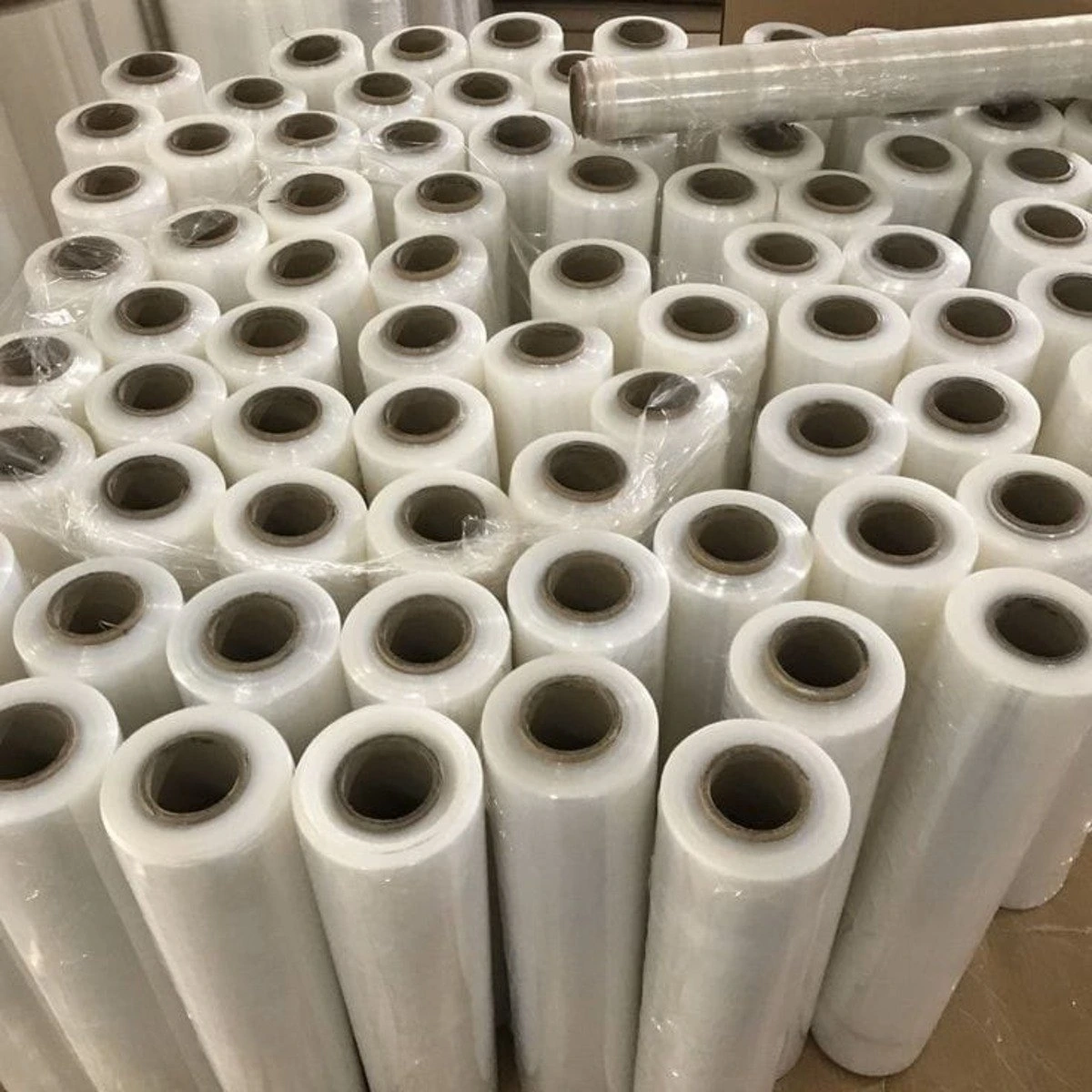
PE stretch film (also called pallet wrap or stretch wrap) is one of the most widely used packaging materials in logistics, warehousing, and distribution. From securing pallets in transit to stabilizing irregular loads, stretch film plays a critical role in load safety, cost control, and operational efficiency.
But not all stretch film is the same.
What does “PE” actually mean?
What’s the difference between hand stretch film and machine stretch film?
How do thickness (microns / gauge) and film type affect performance?
This guide explains what PE stretch film is, the main types available, how thickness impacts strength, and how businesses use it in real-world operations.
What Is PE Stretch Film?
PE stretch film is a thin, stretchable plastic film made from polyethylene designed to wrap around products or pallets and hold them tightly together.
Its key function is to:
-
Stabilize loads
-
Protect products from dust and moisture
-
Prevent shifting during transport
-
Improve handling safety
Stretch film works by elastic tension—the film stretches as it’s applied and then contracts, creating a tight hold around the load.
Why Stretch Film Is Essential in Logistics & Warehousing
Stretch film is used across:
-
Warehouses & fulfillment centers
-
Manufacturing plants
-
Distribution hubs
-
Retail backrooms
-
Export and freight operations
Without proper pallet wrapping:
-
Loads shift or collapse
-
Products get damaged
-
Returns increase
-
Workplace safety risks rise
Stretch film is a low-cost material with high impact on supply chain performance.
PE Stretch Film Materials Explained
Most stretch film is made from LLDPE (Linear Low-Density Polyethylene).
Why LLDPE?
-
High stretch capacity
-
Excellent tear resistance
-
Strong load retention
-
Flexible under tension
This material allows stretch film to stretch 150%–300% depending on formulation and application method.
Main Types of PE Stretch Film
1. Hand Stretch Film
Designed for manual application, hand stretch film is commonly used in:
-
Small warehouses
-
Retail backrooms
-
Low to medium volume operations
Key features:
-
Shorter roll length
-
Lighter core
-
Easy handling
-
No machine required
Best for operations wrapping pallets occasionally or irregularly.
2. Machine Stretch Film
Machine stretch film is designed for automatic or semi-automatic wrapping machines.
Key features:
-
Longer roll length
-
Higher stretch capacity
-
Consistent tension
-
Faster pallet wrapping
Ideal for:
-
High-volume warehouses
-
Distribution centers
-
Manufacturing lines
Machine film improves consistency, speed, and material efficiency.
3. Cast vs Blown Stretch Film
Cast Stretch Film
-
Clear and glossy
-
Quiet to unwind
-
Consistent thickness
-
Easier stretch
Best for:
-
Barcode scanning
-
Indoor storage
-
Uniform loads
Blown Stretch Film
-
Higher puncture resistance
-
Stronger load holding
-
Noisy unwind
-
Slightly cloudy appearance
Best for:
-
Irregular loads
-
Heavy or sharp-edged products
-
Long-distance transport
Thickness Explained: Microns, Gauge & Performance
Thickness is one of the most misunderstood aspects of stretch film.
Common Thickness Ranges
-
Light-duty: thinner films for stable loads
-
Standard-duty: balanced strength and stretch
-
Heavy-duty: higher puncture resistance
Thicker film does not always mean better performance. Modern stretch film technology allows thinner films to outperform older, thicker films when applied correctly.
Choosing the Right Thickness for Your Load
Key factors include:
-
Load weight
-
Pallet stability
-
Edge sharpness
-
Transport distance
Using film that’s too thin:
-
Risks tearing
-
Causes load failure
Using film that’s too thick:
-
Increases cost
-
Wastes material
The goal is right-sizing film thickness for each application.
Stretch Film Width & Roll Length
Stretch film is available in various:
-
Widths (to match pallet size)
-
Roll lengths (to reduce changeovers)
Longer rolls:
-
Reduce downtime
-
Improve labor efficiency
-
Lower cost per foot
This is especially important in high-volume operations.
Real-World Uses of PE Stretch Film
Pallet Stabilization
The most common use—securing boxes and products onto pallets for storage or transport.
Load Protection
Protects goods from:
-
Dust
-
Moisture
-
Minor surface damage
Unitizing Irregular Items
Holds together:
-
Mixed cartons
-
Odd-shaped products
-
Bundled goods
Temporary Storage
Keeps inventory clean and stable in warehouses.
Stretch Film & Cost Efficiency
Stretch film cost is not just about roll price. True cost includes:
-
Film usage per pallet
-
Labor time
-
Load failures
-
Rewrap frequency
Proper film selection and application can reduce overall packaging cost significantly.
Buying PE Stretch Film Wholesale
Wholesale purchasing offers:
-
Lower cost per roll
-
Consistent film quality
-
Stable inventory availability
-
Multiple thickness and size options
Retail stretch film often:
-
Has shorter roll lengths
-
Costs more per foot
-
Varies in performance
For businesses wrapping pallets daily, wholesale stretch film is a strategic necessity.
Common Mistakes When Using Stretch Film
-
Overwrapping pallets
-
Using wrong film thickness
-
Applying uneven tension
-
Mixing film types inconsistently
Training staff and selecting the right film improves both safety and efficiency.
Stretch Film & Sustainability
Modern stretch film:
-
Uses downgauged technology
-
Requires less plastic per pallet
-
Reduces material waste
Using thinner, high-performance film improves sustainability without sacrificing strength.
Final Thoughts: Stretch Film Is a System, Not Just a Product
PE stretch film is a foundational packaging material that directly affects:
-
Load safety
-
Labor efficiency
-
Shipping cost
-
Product protection
Understanding types, thickness, and real-world use cases allows businesses to choose the right stretch film—and avoid unnecessary cost and risk.
When used correctly, PE stretch film delivers maximum performance with minimal material.


