


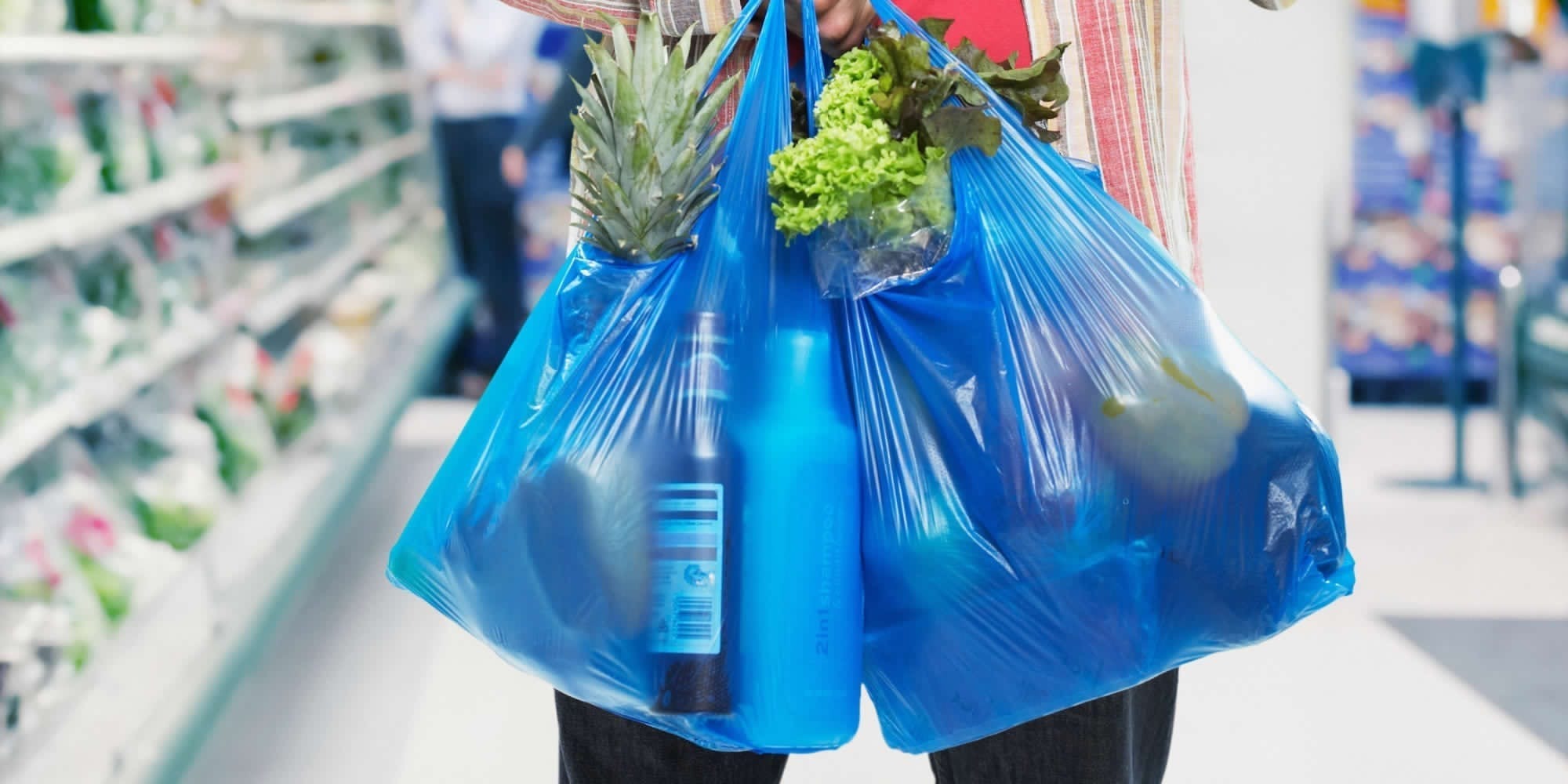
Plastic bags have long been a symbol of convenience—and controversy. From quick grocery runs to takeout orders, they’re everywhere. But as 2025 unfolds, plastic bag usage is being reshaped by policy, innovation, and consumer choice.
What’s banned? What’s legal? Which types of plastic bags are safe to use—and where?
Let’s break it all down so you can shop smarter, reduce your environmental footprint, and understand which plastic bags still play a role in a sustainable future.
Table of Contents
ToggleWhy Plastic Bags Are Changing in 2025
Plastic pollution remains one of the world’s most visible environmental challenges. According to a Statista 2024 report, the global plastic packaging market continues to grow, but pressure from governments, consumers, and eco-groups is pushing for a shift toward biodegradable, recyclable, and reusable solutions.
In the U.S., states like California, New York, Oregon, and New Jersey have rolled out comprehensive plastic bag bans, with more states introducing similar legislation this year. However, not all plastic bags are banned—and not all alternatives are actually better.
What Kind of Plastic Bags Are Being Banned?
Most statewide bans target single-use thin plastic bags, especially the kind made from HDPE (High-Density Polyethylene). These lightweight T-shirt-style bags, commonly used in grocery stores, were seen as the top contributor to litter and landfill waste.
But the picture isn’t so simple. Many bag bans now include exceptions or replacements, such as:
Thicker plastic bags (over 2.25 mils), which are considered reusable under the law
Compostable plastic bags, where local composting infrastructure supports them
Plastic produce bags and trash bags, which are often exempt
Where Are Plastic Bags Still Legal in 2025?
As of early 2025, over 20 U.S. states still allow the use of traditional HDPE and LDPE bags in various retail and industrial settings.
Some common scenarios where plastic bags are still legal and widely used:
Trash and recycling bags (including starseal and flatseal designs)
Pet waste bags (used in parks and homes)
Medical waste bags (regulated and required by sanitation laws)
Grocery and retail in non-ban states (like Texas, Florida, and much of the Midwest)
Courier and eCommerce shipping bags (such as mailer bags)
In fact, industries such as healthcare, hospitality, and logistics continue to rely on durable HDPE/LDPE bags due to their strength, hygiene, and cost-effectiveness.
Understanding Plastic Bag Materials: HDPE vs. LDPE
Not all plastic bags are created equal. Knowing the material behind your bag can help you make smarter, more sustainable choices.
|
Material |
Full Name |
Features |
Common Uses |
|---|---|---|---|
|
HDPE |
High-Density Polyethylene |
Rigid, lightweight, resistant to puncture |
Grocery bags, T-shirt bags, trash liners |
|
LDPE |
Low-Density Polyethylene |
Flexible, transparent, softer texture |
Produce bags, bread bags, soft mailer bags |
|
Compostable |
PLA, PHA-based or starch blends |
Breaks down in industrial composting |
Pet waste bags, select produce bags |
|
Biodegradable (oxodegradable) |
Plastic + additives |
Not true biodegradation—less preferred |
Banned in some states |
For everyday uses like home trash disposal, grocery storage, or pet clean-up, HDPE/LDPE bags still provide unmatched utility when disposed of responsibly.
How to Be a Smart Plastic Bag Consumer in 2025
Here’s how to navigate the shifting plastic bag landscape while staying eco-conscious and legal:
1. Know Your Local Regulations
Each state—and sometimes each city—has its own rules. Check with your local municipality to know:
What bags are allowed or banned?
Are compostable bags accepted by your trash or compost service?
Are there paper-only mandates?
2. Choose Reusable Where Possible
Reusable bags made from woven polypropylene, cotton, or thick recycled plastics are widely available and accepted. However, they require consistent use to outweigh the carbon footprint of production. Use them at least 30–50 times to make a difference.
3. Use Plastic Bags Where They Still Make Sense
Plastic bags are not all bad—especially when used properly:
Trash bags: HDPE starseal bags minimize leaks and odors
Pet poop bags: Compostable options reduce landfill waste
Medical trash: Must meet specific hygiene and disposal codes
At TPPlasticUSA.com, our Drawstring, Starseal, and Flatseal trash bags are designed for safe, efficient use in home and commercial settings.
Featured Products: Practical & Responsible Plastic Solutions
We understand that the solution isn’t to eliminate plastic altogether, but to use better plastic smarter. Here are some standout options from TPPlasticUSA:
HDPE/LDPE T-shirt Bags
Lightweight, tear-resistant, and ideal for groceries, produce, or food takeout. Available in clear or custom colors. Reusable multiple times if stored clean.
Mailer Bags
Waterproof, tamper-resistant, and perfect for eCommerce. Can be made from recycled content upon request. Strong seams for heavy-duty shipping.
TPE/CPE Gloves
Used for food service and general hygiene. A comfortable, cost-effective alternative to vinyl or latex. Available in bulk for home or business use.
Medical Trash Bags
Heavy-duty and leak-proof, these red or yellow bags meet waste disposal regulations for healthcare environments, including clinics, labs, and care homes.
What About Compostable Plastic Bags?
While “compostable” sounds like a perfect solution, it comes with caveats:
Only composts in industrial composting facilities
May not break down properly in landfills or home compost bins
Some municipalities don’t accept them at all
When in doubt, choose compostable bags that are certified ASTM D6400 or EN13432 compliant—and only use them where infrastructure exists to process them.
What’s Next for Plastic Bags?
Expect these trends to shape the plastic bag conversation through 2025 and beyond:
Increased regulation on bag thickness and recyclability
Investment in circular plastic solutions, including chemically recycled bags
Hybrid retail models offering both reusable and certified recyclable plastic
“Smart packaging” with QR codes for disposal info
According to Statista, the U.S. market for sustainable packaging is expected to grow by 8.7% CAGR by 2030—so the pressure is on for both manufacturers and consumers to shift behavior.
Final Thoughts: Progress Over Perfection
At TPPlasticUSA, we believe in realistic, responsible plastic solutions that balance functionality, cost, and sustainability. While bans are changing the conversation, education and thoughtful choices will have the most lasting impact.
Use plastic when it makes sense, reuse whenever you can, and dispose of it responsibly.
Quick Tips for Consumers
Reuse plastic bags as liners or storage
Wash reusable bags regularly to avoid bacteria
Check local composting and recycling rules
Choose thick HDPE/LDPE bags where legal and appropriate


