


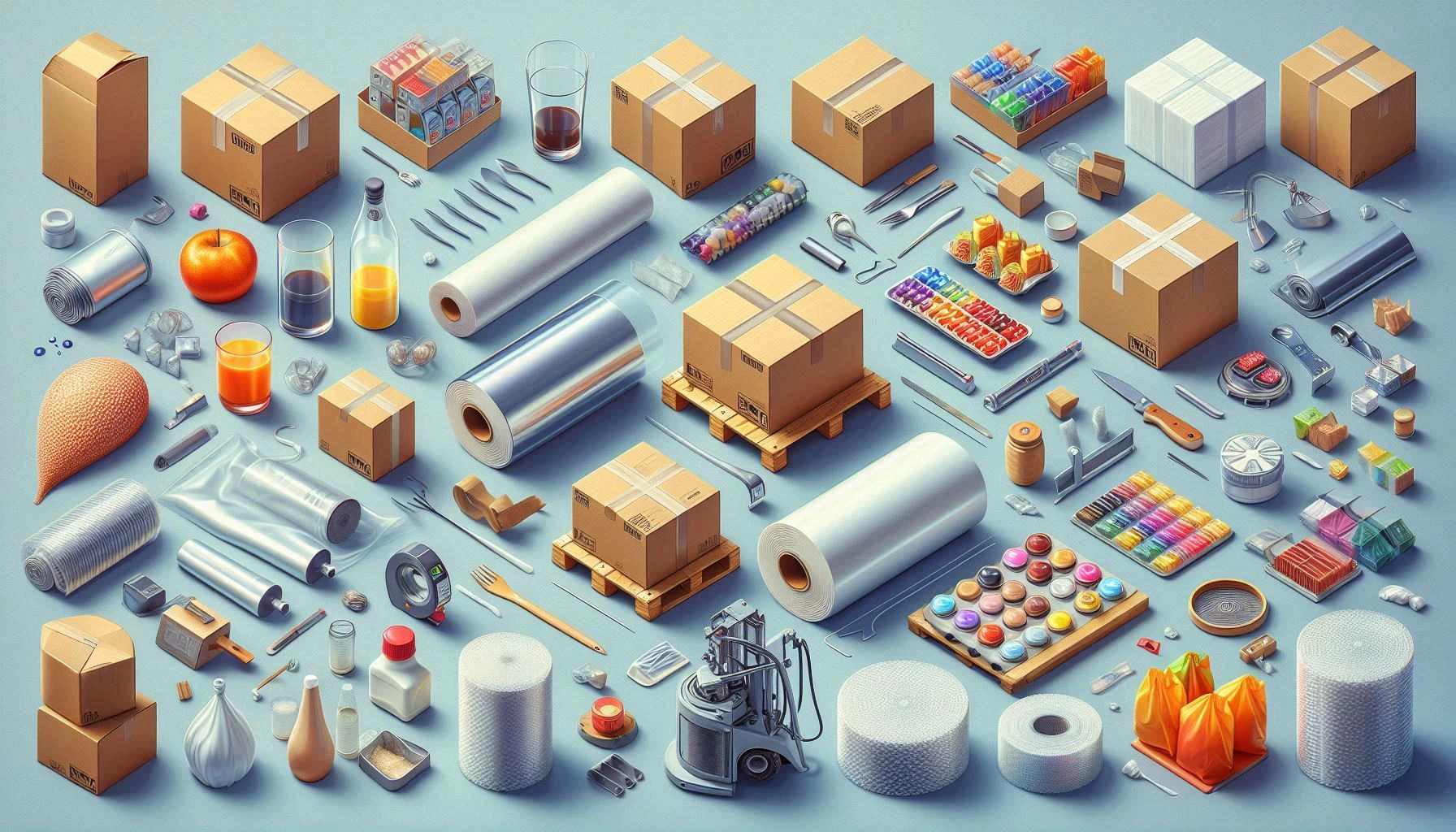
When it comes to packaging solutions, selecting the right material is essential for maximizing product protection, ensuring efficient transportation, and meeting specific industry requirements. The packaging industry offers a variety of materials, including stretch film, shrink wrap, cling film, and other options. Each has distinct characteristics that make it suitable for particular applications. In this article, we will compare stretch film with other packaging solutions, explore their differences, and highlight their applications and advantages in different industries.
Stretch Film and Shrink Wrap: Key Differences
Stretch film and shrink wrap are two of the most commonly used packaging solutions in the market. While both are used to secure and protect products, their methods of application differ greatly.
- Stretch film is a highly elastic plastic film that is stretched over items to secure them on pallets or to bundle them together. It relies on its elasticity and does not require any external heat to function. The film is wrapped tightly around products, ensuring they remain intact during transportation.
- Shrink wrap, on the other hand, involves wrapping a plastic film around an item and then applying heat to shrink the film tightly around the product. This method creates a tight seal that conforms to the shape of the object, making it particularly effective for smaller items or individual packaging.
Application Comparison
- Stretch film is predominantly used in industrial settings, particularly for palletizing goods for shipment. It is favored in warehouses and distribution centers where high-volume shipments require stability.
- Shrink wrap is often seen in consumer goods packaging. It is used to bundle smaller products like DVDs, books, or food items, where a tight seal is crucial to keep the product clean and secure.
Stretch Film vs. Cling Film: What’s the Difference?
Though stretch film and cling film may seem similar, they serve different purposes in packaging solutions.
- Cling film is a thinner, flexible plastic wrap that adheres to itself and is primarily used for food storage. It is designed to cover containers and food items to maintain freshness. Its lightweight structure makes it ideal for household and commercial kitchen use, but it lacks the strength needed for industrial applications.
- Stretch film, by contrast, is designed for heavy-duty use. Its primary application is in securing palletized loads in warehouses, where stability during transit is a key concern. The material is thicker and stronger than cling film, providing superior protection for bulky items.
Application Comparison
- Cling film is used mostly in the food packaging industry, especially for short-term storage solutions in both household and commercial environments.
- Stretch film is favored in the logistics and manufacturing sectors, where high-stress loads need to be secured during transportation. Unlike cling film, stretch film is not meant for direct contact with food.
Other Packaging Materials: Overview and Comparisons
Beyond stretch film, shrink wrap, and cling film, other packaging solutions exist that cater to different industries and applications.
- Polyethylene (PE) bags: Widely used in food packaging and retail, PE bags are lightweight, moisture-resistant, and available in various thicknesses.
- Bubble wrap: Known for its cushioning properties, bubble wrap is frequently used to protect fragile items during shipping. It offers excellent shock absorption but lacks the load-stabilizing benefits of stretch film.
- Corrugated cardboard: Often used in conjunction with other packaging materials, corrugated cardboard provides structural support and protection for a variety of products, particularly in the e-commerce industry.
Applications of Packaging Materials in Different Industries
Various industries have distinct requirements when it comes to packaging solutions. Here’s how different materials, including stretch film, are applied across sectors:

Industrial Applications
- Stretch Film: In industrial settings, stretch film is the go-to solution for palletizing large loads. The film’s stretchability allows it to securely wrap around multiple items, ensuring stability during long-distance transportation. This material is highly resistant to punctures and tears, making it suitable for heavy-duty use.
- Shrink Wrap: For smaller products or those that need tamper-proof protection, shrink wrap is commonly used. Electronics, pharmaceuticals, and cosmetics often use shrink wrap to protect individual units or bundled products.
- Bubble Wrap: Industrial applications for bubble wrap are focused on the protection of fragile items. Manufacturers of glass, ceramics, and electronics use bubble wrap for its shock-absorbing qualities during transportation.
Food Packaging
- Cling Film: In the food industry, cling film is an essential tool for maintaining product freshness. It is widely used in restaurants, supermarkets, and households to protect food items from contamination and preserve their shelf life.
- Shrink Wrap: This material is frequently used in food packaging to bundle together items like bottled water, canned goods, and other retail products. The tight seal provided by shrink wrap helps maintain product integrity and prevents tampering.
- PE Bags: Polyethylene bags are popular in the food industry for packaging items like bread, vegetables, and frozen foods. They offer excellent protection against moisture and contaminants, keeping food products fresh for longer periods.
Pros and Cons of Packaging Materials in Specific Industries
Each packaging solution has its strengths and weaknesses, depending on the industry and application. Below is a breakdown of the advantages and disadvantages of some of the most commonly used materials:
| Packaging Material |
Pros |
Cons |
| Stretch Film | – Excellent for stabilizing large and heavy loads.
– Cost-effective and easy to use with pallet wrapping machines. – Provides moisture and dust protection. |
– Not suitable for direct food contact.
– Requires specialized equipment for high-volume wrapping. |
| Shrink Wrap | – Provides a tamper-evident seal.
– Ideal for packaging small items or bundling multiple products. – Customizable to fit various product shapes. |
– Requires a heat source to activate the shrinking process.
– Less effective for palletizing large industrial loads. |
| Cling Film | – Perfect for preserving food freshness in the short term.
– Easy to use and widely available. – Adheres to a wide range of surfaces without adhesive. |
– Not strong enough for industrial or heavy-duty applications.
– Limited to food storage applications and cannot secure bulky items. |
| Bubble Wrap | – Excellent cushioning for fragile items.
– Lightweight and easy to handle. |
– Bulky and may take up significant storage space.
– Offers no load stabilization for heavy items. |
| PE Bags | – Inexpensive and versatile.
– Ideal for food packaging due to moisture resistance. – Customizable in various sizes and thicknesses. |
– Not suitable for securing large industrial loads.
– Limited protective capabilities for fragile items. |
When it comes to selecting the best packaging solutions, understanding the unique properties of each material is key to ensuring that products are protected, efficiently transported, and stored. Stretch film, with its elasticity and durability, stands out in the industrial and logistics sectors, while materials like shrink wrap and cling film excel in consumer goods and food packaging applications.
By carefully considering the pros and cons of each packaging material, businesses can make informed decisions that improve their overall operational efficiency. Whether it’s stabilizing loads on a pallet with stretch film or ensuring the freshness of food with cling film, the right packaging solution can make all the difference in maintaining product quality and reducing waste.


