


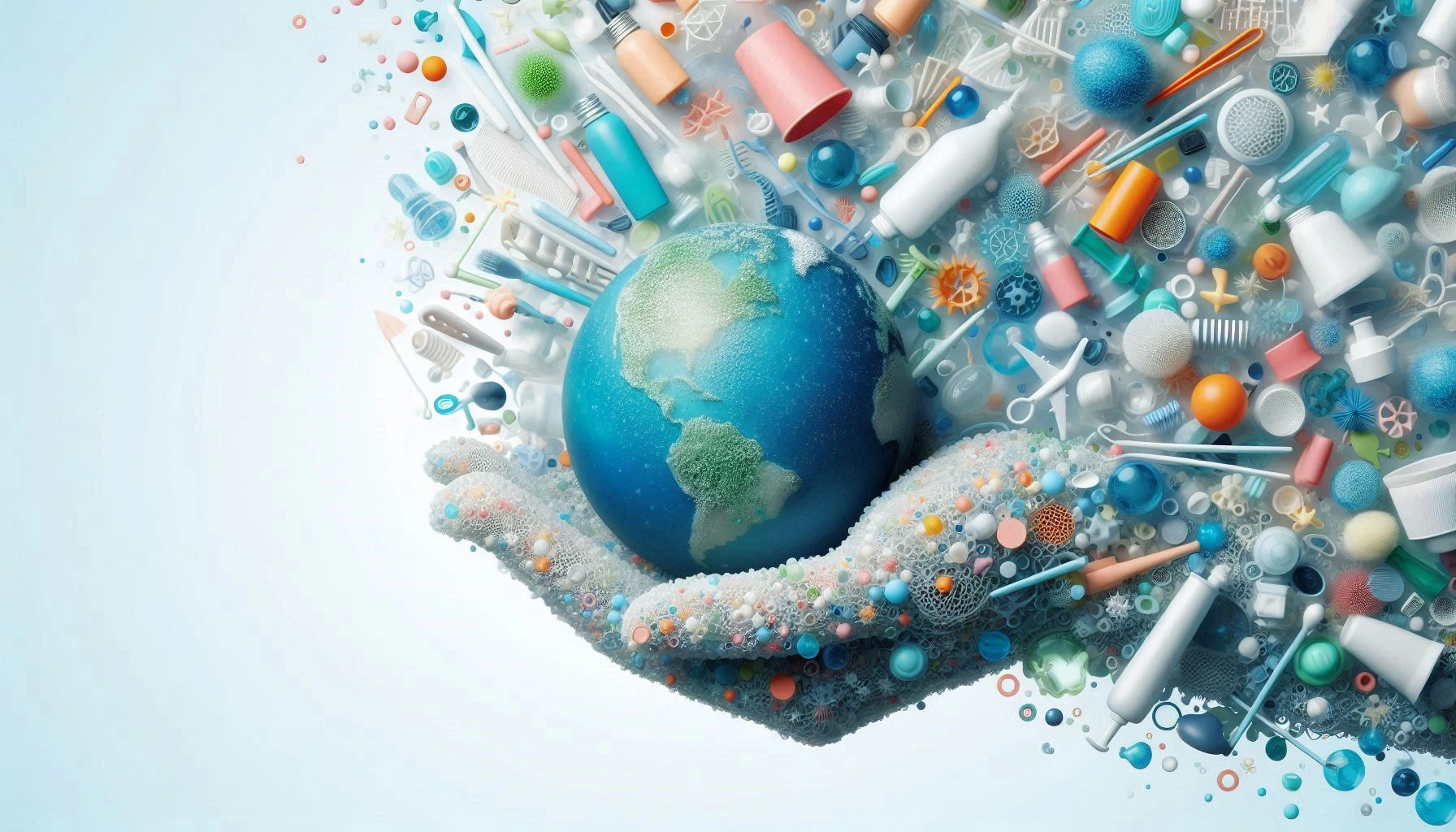
In recent years, the issue of microplastics has gained significant attention due to their growing presence in the environment and potential impact on human health. Microplastics, which are tiny plastic fragments less than 5 millimeters in size, can be found in the air we breathe, the food we eat, and the water we drink. These small plastic particles originate from a variety of sources, including the breakdown of larger plastic items and the release of microbeads used in personal care products. As the presence of microplastics continues to increase, scientists and health experts are raising concerns about their potential health risks, ranging from respiratory problems to digestive system issues. In this article, we will explore how microplastics affect our health, review the latest studies on the subject, and discuss the efforts being made to reduce their impact.
What Are Microplastics?
Microplastics are small plastic particles that can be classified into two main categories: primary and secondary microplastics.
- Primary microplastics are manufactured to be small in size and are often used in products such as cosmetics, toothpaste, and industrial abrasives. Microbeads, for example, are a common type of primary microplastics that were once widely used in exfoliating scrubs and toothpastes.
- Secondary microplastics result from the degradation of larger plastic items such as plastic bags, bottles, and fishing nets. These plastics break down over time due to exposure to environmental factors like sunlight, wind, and ocean currents, creating tiny fragments that pollute water bodies and soil.
One of the reasons microplastics pose a significant concern is their omnipresence. Studies have shown that microplastics have infiltrated not only the marine environment but also drinking water, agricultural soil, and even the air. This widespread distribution of microplastics has raised alarms about their potential to enter the human body and cause harm.
How Microplastics Enter Our Bodies
There are several ways microplastics can make their way into our bodies. Since these tiny plastic particles are present in the environment, they are inevitably ingested, inhaled, or absorbed through various sources:
1. Ingestion Through Food and Water
One of the most common ways humans are exposed to microplastics is through the consumption of food and water. Studies have found that microplastics can contaminate a wide range of food sources, including seafood, salt, honey, and even fruits and vegetables. Marine organisms, in particular, are highly susceptible to microplastic contamination due to the vast quantities of plastic waste in oceans and rivers. When fish, shellfish, or other marine species ingest microplastics, they can accumulate in their tissues, which humans then consume.
Drinking water is another significant source of microplastics. Research has shown that both tap and bottled water contain traces of microplastics, with some estimates suggesting that individuals who drink bottled water may be ingesting tens of thousands of plastic particles per year.
2. Inhalation of Microplastics
Microplastics are also present in the air, particularly in urban environments where plastic particles are released from car tires, synthetic textiles, and other plastic materials. These particles can become airborne and be inhaled into the respiratory system. Airborne microplastics are particularly concerning for people living in areas with high levels of plastic pollution or near industrial sites where plastic materials are manufactured or disposed of.
3. Absorption Through Skin
While less common, there is also the possibility that microplastics can be absorbed through the skin. This is particularly relevant for personal care products containing microbeads, which can come into direct contact with the skin. However, the extent to which microplastics can penetrate the skin and enter the bloodstream is still being studied.
Health Risks Associated With Microplastics
The potential health risks of microplastics are an emerging area of research, but early studies have identified several concerning effects. As microplastics accumulate in the body through ingestion or inhalation, they may cause a range of health issues.
1. Respiratory Issues
Inhaling airborne microplastic can pose risks to the respiratory system, particularly when particles become lodged in the lungs. Researchers have compared the effects of inhaling microplastic to that of inhaling fine particulate matter (PM2.5) found in air pollution, which has been linked to respiratory diseases such as asthma, bronchitis, and lung cancer. The small size of microplastic allows them to penetrate deep into the respiratory tract, potentially causing inflammation and tissue damage over time.
In addition, workers in industries that involve the production, handling, or disposal of plastic materials are at a higher risk of inhaling microplastic, leading to occupational health concerns. Chronic exposure to microplastic in these settings may increase the likelihood of developing respiratory problems.
2. Digestive System Disruption
When microplastic are ingested through contaminated food or water, they can accumulate in the digestive system. Although most microplastic pass through the body without being absorbed, there is growing evidence that smaller particles (nanoplastics) may cross the intestinal barrier and enter the bloodstream.
Once in the digestive tract, microplastic may cause inflammation, disrupt gut bacteria, and interfere with the absorption of nutrients. Some studies have also suggested that microplastic may act as carriers for toxic chemicals, such as bisphenol A (BPA) and phthalates, which are commonly used in plastic manufacturing. These chemicals can leach into the body from microplastic, potentially contributing to endocrine disruption, reproductive issues, and an increased risk of cancer.
3. Toxicological Concerns
In addition to physical harm, microplastic may pose toxicological risks due to the additives used in plastic production. Plastics often contain chemicals that provide properties like flexibility, durability, or color. When microplastic are released into the environment or ingested, these additives can leach out and potentially cause harm to human health.
Chemicals such as BPA, phthalates, and polycyclic aromatic hydrocarbons (PAHs) are known to have adverse effects on human health, including hormonal imbalances, developmental issues, and an increased risk of cancer. As microplastic degrade and release these chemicals, the cumulative exposure to these substances could exacerbate the health risks associated with microplastic.
Efforts to Reduce Microplastics
Given the potential health risks associated with microplastic, efforts to mitigate their presence in the environment are becoming increasingly important. Governments, researchers, and environmental organizations are taking action to reduce the production and release of microplastic, as well as to raise public awareness about their impact.
1. Legislation and Policy Measures
Several countries have introduced legislation aimed at reducing the production and release of microplastic into the environment. For example, many nations have banned the use of microbeads in personal care products, which were a significant source of microplastic pollution. In the European Union, the Single-Use Plastics Directive aims to reduce the consumption of single-use plastics and improve waste management practices to minimize plastic pollution.
Similarly, some governments are implementing policies to control the release of microplastic from industrial processes, such as plastic manufacturing, textile production, and tire wear. These regulations are intended to reduce the amount of plastic waste entering waterways and the atmosphere.
2. Research and Innovation
Ongoing research is crucial for understanding the full extent of microplastic’ impact on human health and developing new technologies to address this issue. Scientists are exploring ways to improve plastic recycling processes, create biodegradable alternatives, and develop filters that can capture microplastic before they enter the environment.
In addition, research into the toxicological effects of microplastic is essential for establishing safe exposure limits and informing public health policies. Understanding how microplastic interact with the human body and what long-term health effects they may cause will help guide future regulations and preventive measures.

3. Public Awareness and Education
Raising public awareness about the dangers of microplastic is a critical component of reducing their impact. By educating consumers about the sources of microplastic and how to minimize exposure, individuals can make more informed choices to reduce their plastic consumption and waste.
For example, consumers can avoid products containing microbeads, choose reusable packaging options, and support companies that are committed to reducing plastic pollution. Additionally, individuals can take part in community initiatives such as beach clean-ups or support policies that promote environmental sustainability.
Conclusion
Microplastic have become a widespread environmental contaminant with potential implications for human health. From their presence in food and water to their ability to be inhaled through the air, microplastic are infiltrating our bodies in ways that may pose significant risks. Early research indicates that microplastic could lead to respiratory issues, digestive system disruption, and toxicological concerns.
Efforts to reduce microplastic are underway, with governments introducing legislation, researchers working on innovative solutions, and public awareness campaigns encouraging responsible plastic use. However, more research is needed to fully understand the impact of microplastic on human health and to develop effective strategies to mitigate their presence in the environment.
By taking action now, we can help reduce the amount of microplastic released into the environment, protect human health, and work toward a cleaner, more sustainable future.


