


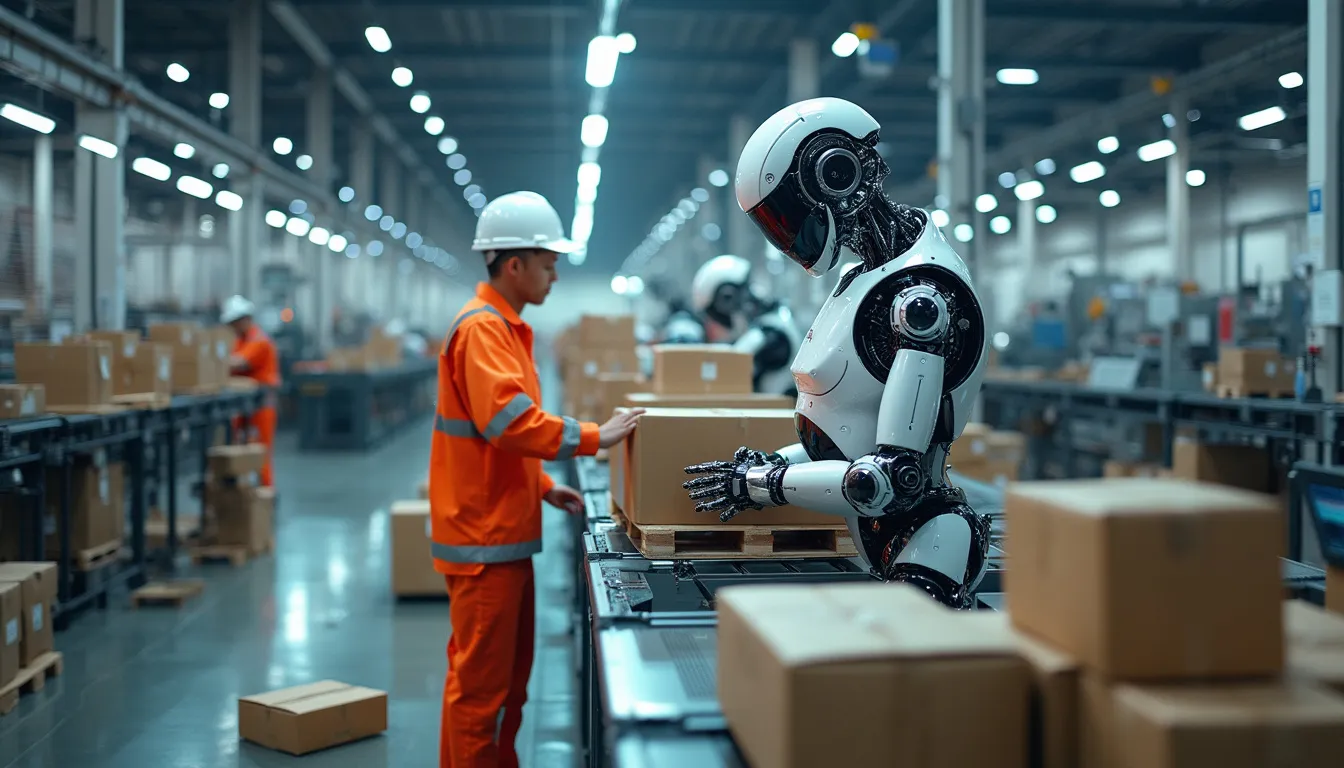
In today’s rapidly evolving industrial landscape, the significance of effective and innovative industrial packaging cannot be overstated. Industrial packaging, a crucial element in manufacturing and distribution, ensures the protection, storage, and transportation of goods.
The advent of innovative solutions in industrial packaging is revolutionizing the sector, providing businesses with enhanced product safety, sustainability, and efficiency. From smart packaging solutions that offer real-time tracking and monitoring, to the adoption of sustainable materials and practices aimed at reducing environmental impact, the transformation within this industry is both remarkable and essential.
Modern industrial packaging is characterized by its cutting-edge technologies, such as automation and advanced materials, which not only optimize operations but also deliver substantial cost savings. As the demand for more efficient, sustainable, and intelligent packaging solutions continues to grow, embracing these innovative approaches is not just an option but a necessity for industries striving to stay competitive in the global market.
Overview of Industrial Packaging
Introduction to Industrial Packaging
Industrial packaging plays a critical role in the storage, protection, and distribution of products across a wide range of industries. Unlike consumer packaging, which focuses on aesthetics and retail appeal, industrial packaging is designed primarily for functionality and durability. This type of packaging must withstand harsh conditions, such as extreme temperatures and rigorous handling during transportation. From the smallest component parts to large machinery, industrial packaging solutions are tailored to meet specific needs and ensure the integrity and safety of products.
Importance of Innovative Solutions in Industrial Packaging
As industries evolve, the need for innovative solutions in industrial packaging becomes more apparent. Traditional methods often fall short in addressing new challenges, such as sustainability concerns, increased regulatory requirements, and the demand for efficient processes. Innovative industrial packaging solutions can provide significant advantages. By adopting advanced materials, intelligent design, and state-of-the-art technology, companies can enhance operational efficiency, reduce costs, and improve safety standards. Moreover, innovative packaging solutions often lead to better customer satisfaction due to improved product protection and reduced environmental impact.
Key Features and Benefits of Modern Industrial Packaging
Modern industrial packaging solutions come with a plethora of features and benefits that set them apart from traditional options. Key features include enhanced durability, versatility, and customizability. Today’s packaging materials are stronger and more resilient, capable of enduring tough handling and minimizing the risk of damage. Modern designs offer versatile options, such as adjustable sizing and modular components, making them suitable for a vast range of applications.
One of the significant benefits of modern industrial packaging is its contribution to sustainability. By utilizing eco-friendly materials and efficient design, industrial packaging can significantly reduce waste and lower carbon footprints. Additionally, advanced packaging methods often include features like anti-tamper seals and RFID tracking, enhancing security and traceability throughout the supply chain.
Another critical advantage is the cost-effectiveness of innovative industrial packaging solutions. While the initial investment in advanced packaging technology might be higher, the long-term benefits, including reduced product damage, lower shipping costs, and minimized waste, result in substantial savings. Furthermore, the introduction of automation and smart packaging methods can streamline operations, reduce labor costs, and improve overall productivity.
Conclusion
Understanding the importance of innovative solutions in industrial packaging is crucial for any business aiming to stay competitive in today’s market. With the constant advancements in technology and increasing focus on sustainability, modern industrial packaging provides both a strategic advantage and a necessary update to traditional practices. Enhanced resilience, adaptability, and efficiency make it an indispensable part of the industrial supply chain.

Cutting-edge Technologies and Trends in Industrial Packaging
Smart Packaging Solutions
In the realm of industrial packaging, smart packaging solutions have revolutionized the way goods are stored and transported. These advanced options integrate cutting-edge technology to enhance the functionality and efficiency of traditional packaging methods. Examples of smart packaging include those embedded with sensors that track environmental conditions like temperature and humidity, ensuring products are maintained in optimal conditions throughout the supply chain. Additionally, QR codes and NFC (Near Field Communication) tags enable real-time tracking, providing valuable data and insights into the status and location of inventory.
By adopting smart packaging, businesses can achieve greater transparency and control over their logistics processes. This leads to reduced losses from damaged goods and improved customer satisfaction by delivering products in their best condition. In the context of industrial packaging, such innovative solutions are pivotal in maintaining the integrity of items that require specific conditions, such as pharmaceuticals and perishable goods.
Sustainable Materials and Practices in Industrial Packaging
Another critical trend in the industrial packaging sector is the shift towards sustainability. Companies are increasingly prioritizing eco-friendly materials and practices to minimize their environmental footprint. This move is driven by both regulatory pressures and a growing consumer preference for sustainable products. Various eco-friendly materials such as biodegradable plastics, recycled paper products, and reusable containers are gaining popularity.
Incorporating sustainable materials into industrial packaging not only helps in reducing waste but also promotes resource efficiency. Practices such as optimizing packaging designs to use less material without compromising on strength and safety are also becoming common. Technologies like flexible packaging offer versatile solutions that adapt to different shapes and sizes, reducing the need for excess material and leading to lower transportation costs.
Moreover, sustainable industrial packaging practices extend beyond just materials. Companies are implementing closed-loop systems where packaging materials are recovered, recycled, and reused, thereby fostering a circular economy. This not only demonstrates a company’s commitment to environmental stewardship but also often leads to cost savings in the long run.
Automation and Efficiency Enhancements in Industrial Packaging Systems
The modern industrial packaging landscape is also witnessing significant advancements in automation and efficiency. Automated packaging systems are becoming more prevalent, driven by the need for greater speed, precision, and cost-effectiveness in packaging operations. These systems handle various tasks such as filling, sealing, labeling, and palletizing with minimal human intervention.
Automation technologies bring numerous benefits to industrial packaging, including increased throughput, consistency in packaging quality, and reduction of labor costs. Robots and conveyor systems optimized for high-speed operations ensure that large volumes of products are packaged swiftly and accurately. Furthermore, the integration of Internet of Things (IoT) devices within packaging systems enables real-time monitoring and predictive maintenance, minimizing downtime and keeping operations running smoothly.
In addition to automation, new software and analytics tools are enhancing the efficiency of packaging systems. Advanced software solutions offer robust inventory management, demand forecasting, and production planning capabilities. These tools help companies optimize their packaging processes, ensuring the right amount of stock is available at the right time and reducing waste from overproduction or stockouts.
As industrial packaging continues to evolve, the adoption of these cutting-edge technologies and practices is essential for businesses looking to remain competitive and meet the increasing demands of the global market. Embracing smart packaging, sustainable materials, and automation not only enhances operational efficiency but also contributes to a more responsible and agile supply chain.
In conclusion, the realm of industrial packaging is undergoing significant transformations driven by the need for innovative solutions that align with evolving market demands and environmental considerations. The importance of modern industrial packaging cannot be overstated, as it plays a crucial role in ensuring product safety, enhancing operational efficiency, and reducing environmental impact. Cutting-edge technologies such as smart packaging solutions, sustainable materials, and advanced automation systems are at the forefront of these innovations, offering numerous benefits including improved product tracking, reduced waste, and optimized resource utilization.
As the industry continues to embrace these innovative approaches, businesses are better equipped to meet the challenges of a dynamic global market while also contributing to sustainability goals. The integration of these advanced technologies and practices not only enhances the functionality and efficiency of industrial packaging but also supports the broader objectives of sustainability and resource conservation. Moving forward, staying abreast of these developments and incorporating them into their operations will be crucial for businesses seeking to maintain a competitive edge and fulfill the complex demands of modern supply chains. The future of industrial packaging is bright, marked by continuous advancements that promise greater efficiency, sustainability, and overall effectiveness.


