


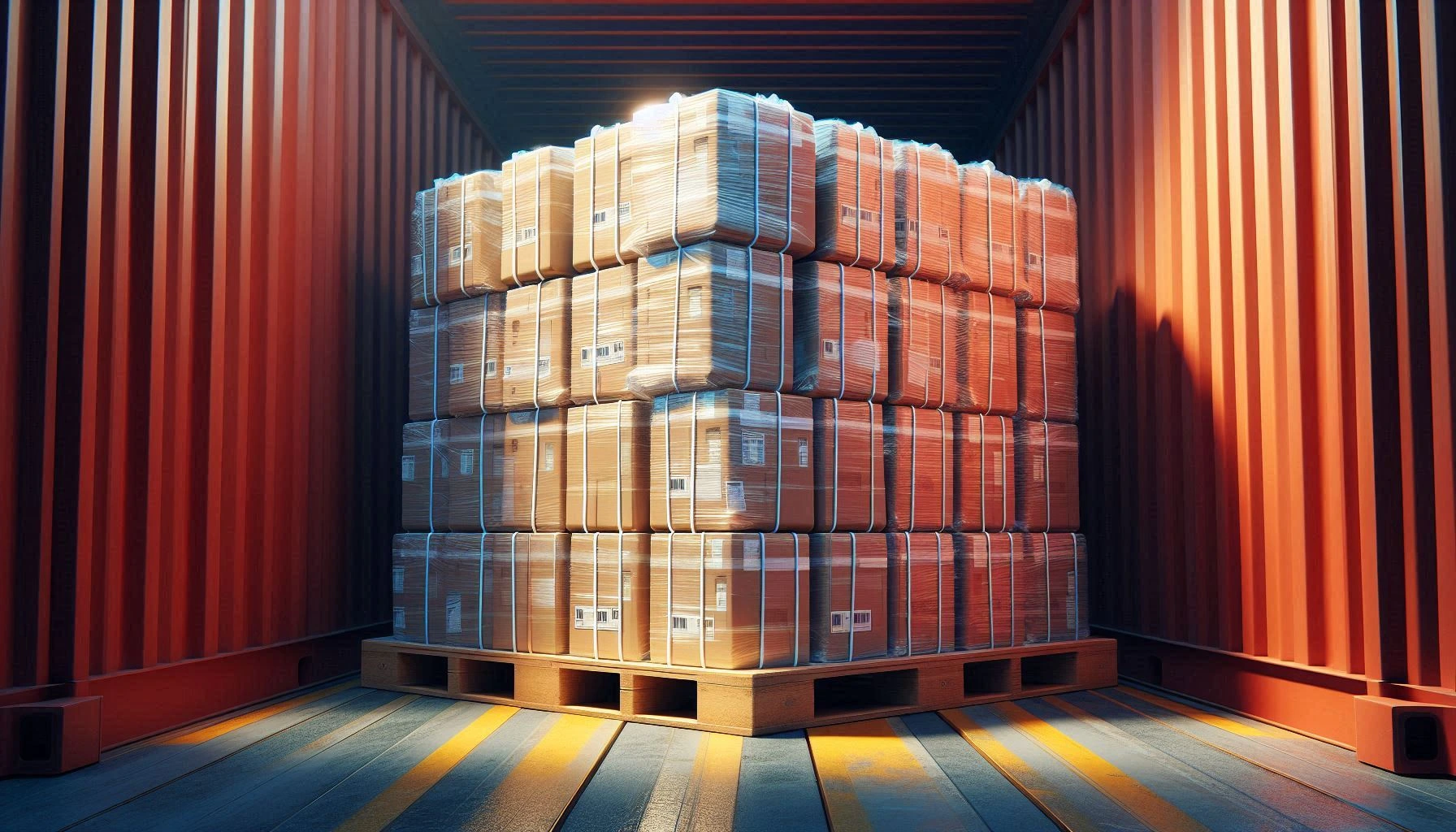
In the world of global trade and logistics, ensuring the safe transportation of goods is paramount. One of the most effective and widely used methods for protecting products during export and shipping is the application of stretch film. This versatile material plays a crucial role in safeguarding items from damage, contamination, and theft. In this comprehensive guide, we’ll explore how stretch film protects goods and why it’s an indispensable tool in the shipping industry.
Understanding Stretch Film
Before delving into how stretch film protects goods, it’s essential to understand what stretch film is and its basic properties. Stretch film, also known as stretch wrap or pallet wrap, is a highly stretchable plastic film typically made from linear low-density polyethylene (LLDPE). Its unique properties allow it to be stretched around objects, creating a tight, protective layer.
Key Properties of Stretch Film
- Elasticity: Stretch film can be elongated up to 500% of its original length, allowing it to conform tightly to irregularly shaped objects.
- Puncture resistance: High-quality stretch film resists tears and punctures, maintaining its protective integrity.
- Clarity: Most stretch films are transparent, allowing for easy identification of wrapped goods.
- UV resistance: Some stretch films are treated to resist degradation from sunlight exposure.
How Stretch Film Protects Goods During Export and Shipping
Now that we understand the basics of stretch film, let’s explore how it protects goods during the export and shipping process. The protection offered by stretch film is multi-faceted, addressing various challenges faced in transportation and storage.
1. Stability and Load Containment
One of the primary ways stretch film protects goods is by providing stability to palletized loads. When properly applied, stretch film creates a unitized package that prevents individual items from shifting or falling during transit. This is particularly important for:
- Stacked boxes or containers
- Irregularly shaped items
- Mixed load pallets
By maintaining load integrity, stretch film significantly reduces the risk of damage caused by movement or collapse during handling and transportation.

2. Moisture Protection
Another crucial aspect of how stretch film protects goods is its ability to create a barrier against moisture. This is especially important for:
- Products sensitive to humidity
- Cardboard boxes that can weaken when wet
- Items prone to rust or corrosion
The tight seal created by stretch film helps keep moisture out, preserving the quality and integrity of the wrapped goods throughout their journey.
3. Dust and Contamination Prevention
In addition to moisture protection, stretch film also safeguards goods from dust, dirt, and other contaminants. This is particularly valuable for:
- Food products
- Electronics
- Medical supplies
By creating a clean, sealed environment, stretch film ensures that goods arrive at their destination in the same condition they left the warehouse.
4. Tamper Evidence and Security
Stretch film plays a role in security as well. When properly applied, it can serve as a tamper-evident seal, making it difficult for unauthorized individuals to access the goods without detection. This aspect of how stretch film protects goods is crucial for:
- High-value items
- Pharmaceuticals
- Confidential documents or materials
The visual indication of tampering provided by disturbed stretch film can alert receivers to potential security breaches during transit.
5. UV Protection
Some types of stretch film are designed with UV inhibitors, offering protection against sun damage. This feature is particularly important for:
- Outdoor storage
- Long-distance transportation
- Products sensitive to light exposure
By shielding goods from harmful UV rays, stretch film helps maintain product quality and appearance, especially during extended periods of exposure.
Optimizing How Stretch Film Protects Goods
To maximize the protective benefits of stretch film, proper application techniques and selection of the right type of film are crucial. Here are some key considerations:
Proper Application Techniques
- Pre-stretch: Utilizing pre-stretched film or proper machine settings can enhance the film’s performance and reduce material usage.
- Wrap pattern: Employing the correct wrap pattern ensures complete coverage and optimal load containment.
- Film tension: Maintaining consistent tension throughout the wrapping process is essential for stability and protection.
Selecting the Right Stretch Film
Different shipping scenarios may require different types of stretch film. Factors to consider include:
- Load weight and size
- Transportation method and duration
- Environmental conditions during shipping and storage
- Specific product requirements (e.g., breathability, puncture resistance)
By carefully selecting the appropriate stretch film and applying it correctly, shippers can significantly enhance how stretch film protects goods during export and shipping.
Environmental Considerations
While stretch film is an excellent protector of goods, it’s important to address environmental concerns. Many companies are now focusing on sustainable practices in their use of stretch film:
- Thinner films: Advanced technology allows for thinner films that provide the same level of protection while using less material.
- Recycled content: Some stretch films incorporate recycled materials without compromising performance.
- Recyclability: Most stretch films can be recycled, and many companies have implemented recycling programs to reduce waste.
These eco-friendly options demonstrate that how stretch film protects goods can be balanced with environmental responsibility.
Case Studies: How Stretch Film Protects Goods in Real-World Scenarios
To illustrate the effectiveness of stretch film in protecting goods, let’s look at a few real-world examples:
- Electronics Manufacturer: A company shipping delicate computer components reduced damage rates by 85% after implementing a comprehensive stretch wrapping program.
- Food Distributor: By using high-performance stretch film, a distributor was able to reduce product loss due to moisture damage by 90% during long-distance shipping.
- Pharmaceutical Company: The implementation of tamper-evident stretch film resulted in a 100% success rate in detecting unauthorized access attempts during transit.
These case studies clearly demonstrate how stretch film protects goods across various industries and shipping scenarios.
Conclusion
In conclusion, the question of how stretch film protects goods is answered by its multifaceted approach to safeguarding products during export and shipping. From providing stability and moisture protection to preventing contamination and offering security, stretch film is an indispensable tool in the modern logistics landscape.
As global trade continues to grow and supply chains become increasingly complex, the role of stretch film in protecting goods will only become more critical. By understanding and optimizing the use of this versatile material, businesses can ensure their products reach their destinations safely, securely, and in perfect condition.
Whether you’re a manufacturer, distributor, or logistics provider, incorporating high-quality stretch film into your packaging process is a smart investment in the protection of your goods and the satisfaction of your customers. As we’ve seen, the many ways in which stretch film protects goods make it an essential component of any comprehensive shipping strategy.


