


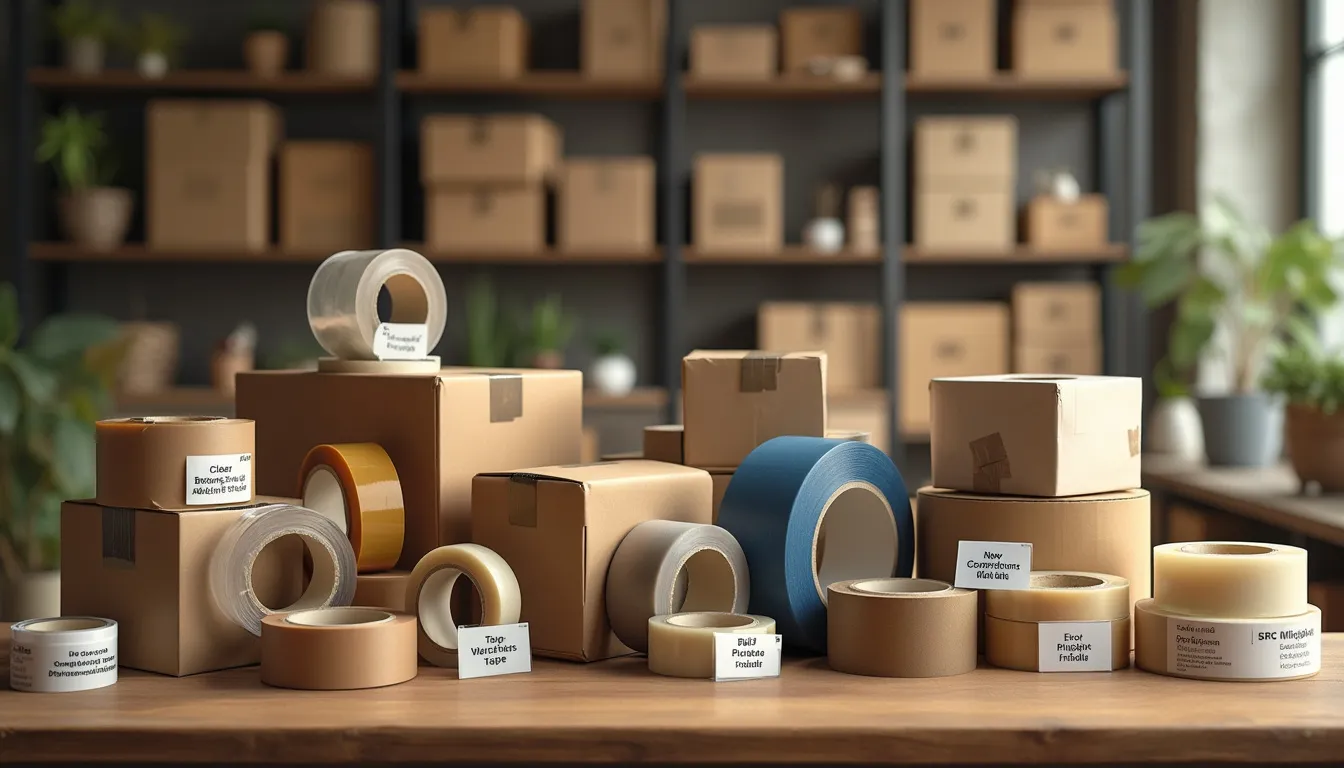
When it comes to securing your packages, few tools are as indispensable as packaging tape. Whether you’re shipping products to customers, moving to a new home, or storing items for the long term, choosing the right type of packaging tape can make all the difference in ensuring your items arrive safely and stay protected. With so many options available—including acrylic, hot melt, paper, and water-activated tapes—understanding the benefits and drawbacks of each type is crucial. This comprehensive guide delves into the various packaging tape choices to help you determine which is best suited for your needs.
Selecting the best packaging tape isn’t just about sticking things together; it’s about finding a tape that meets your specific requirements for strength, durability, and adhesion. You must also consider how the tape will perform under different environmental conditions like temperature and humidity, which can affect its stickiness and reliability. Additionally, budget plays a significant role in your decision-making process. By evaluating the cost-effectiveness and alignment with your packaging needs, you can ensure that you’re making an informed choice. Whether you’re a business owner looking to optimize your shipping process or an individual planning a move, this guide will provide you with all the necessary insights to choose the perfect packaging tape.
Understanding Different Types of Packaging Tape
When it comes to securing your packages, choosing the right packaging tape is crucial. The type of packaging tape you select can significantly impact the safety and integrity of your shipments. There are several popular varieties of packaging tape to consider, each with unique benefits and drawbacks. Let’s delve into the most common types: acrylic, hot melt, paper, and water-activated packaging tapes.
Acrylic Packaging Tape
Acrylic packaging tape is a widely-used option known for its versatility. This tape features an acrylic adhesive that offers excellent UV resistance. This means it can hold up well against sunlight exposure, making it ideal for long-term storage and shipping tasks. Acrylic tape is also resistant to aging, ensuring that the adhesion remains strong over time.
Benefits:
- UV resistant and great for long-term storage.
- Maintains adhesion over time without yellowing.
- Cost-effective and easy to apply.
Drawbacks:
- Not suitable for cold temperatures and may lose adhesion.
- Less tacky than other types, making it less effective on some surfaces.
Hot Melt Packaging Tape
Hot melt packaging tape is another popular choice, especially for heavy-duty applications. This type of tape utilizes a hot melt adhesive that is known for its quick bonding properties and strong initial tack. Often preferred in industries requiring fast packaging lines, hot melt tape offers a robust and reliable hold.
Benefits:
- Strong initial tack and quick bonding.
- Excellent for high-speed packaging lines.
- Durable and effective in various environments.
Drawbacks:
- Less UV resistant compared to acrylic tapes.
- May become brittle in cold temperatures.
Paper Packaging Tape
For those seeking an eco-friendly option, paper packaging tape is worth considering. Made from biodegradable materials, this tape is not only environmentally-friendly but also versatile. It can be reinforced with fiberglass threads for added strength, making it a good choice for sealing both light and medium-weight packages.
Benefits:
- Biodegradable and environmentally-friendly.
- Can be reinforced for added strength.
- Printable for branding and customization options.
Drawbacks:
- Not as strong as acrylic or hot melt tapes for heavy-duty applications.
- Can be more expensive than traditional plastic-based tapes.
Water-Activated Packaging Tape
Water-activated packaging tape, also known as gummed tape, requires moisture to activate its adhesive properties. This type of tape is often used in the e-commerce and retail sectors due to its superior bonding strength and tamper-evident features. Water-activated tape adheres so firmly that it often requires a cutting tool to open the package, offering an added layer of security.
Benefits:
- Provides a strong and secure seal.
- Tamper-evident, enhancing package security.
- Eco-friendly as it is often made from sustainable materials.
Drawbacks:
- Requires a dispenser for application.
- Initial cost can be higher due to the need for specific dispensing equipment.
Understanding the different types of packaging tape and their respective benefits and drawbacks is essential for making an informed decision. Whether you are prioritizing durability, environmental impact, or cost-effectiveness, there is a packaging tape that will meet your needs.

Key Factors to Consider When Choosing Packaging Tape
When it comes to selecting the best packaging tape for your needs, several critical factors come into play. Ignoring these can lead to inefficient sealing and potentially compromised packages. Let’s break down the essential considerations for making an informed decision.
Strength and Durability Required for Your Packages
The strength and durability of your packaging tape are crucial to ensuring your packages remain securely sealed during transit. Understanding the nature of the items being shipped is the first step:
- Heavy-duty items: If you are shipping heavy or bulky items, you need a tape with high tensile strength. Options like hot melt and water-activated tapes are often recommended due to their superior holding power.
- Lightweight items: For lighter packages, a standard acrylic tape might suffice, providing adequate strength without overengineering the solution.
The durability of the tape also factors into the equation, considering how long the parcels will be in transit and the type of handling they might endure. Opt for a tape that maintains its integrity over time, resisting tears and splits.
Adhesion Properties and Compatibility with Different Surfaces
Another critical aspect is the adherence capabilities of the packaging tape to various surfaces. Different tapes react differently with different box materials:
- Cardboard: Most tapes, including acrylic and hot melt, adhere well to cardboard. However, water-activated tape creates a particularly strong bond by penetrating the surface fibers.
- Plastic: Plastic surfaces may require specialized tapes with high initial tack and better resistance to slipping. Hot melt tapes often perform well on plastic.
Understanding the surface material of your packaging will guide you in choosing a tape with the appropriate adhesion properties, ensuring a secure seal without peeling or lifting.
Environmental Conditions Affecting Tape Performance
Environmental factors like temperature and humidity can significantly impact the effectiveness of your packaging tape. Picking the right tape means considering the conditions under which it will be used:
- Temperature: For refrigerated or frozen goods, a tape that can endure low temperatures is essential. Acrylic tapes perform well in a wide range of temperatures, while some specialized tapes are designed for extreme conditions.
- Humidity: High-humidity environments can weaken the adhesive properties of some tapes. Water-activated tape, which relies on water for activation, can be beneficial in humid conditions as it creates a robust bond that resists moisture.
Consider the entire journey of the package, including storage areas and transportation environments, to select a packaging tape that maintains its performance from shipment to delivery.
Budget Considerations and Cost-Effectiveness
Budget is an ongoing concern for any business, and finding cost-effective solutions is always a priority. However, it’s crucial to balance cost with quality to avoid compromising on performance:
- Bulk Pricing: Purchasing packaging tape in bulk often reduces per-roll costs. Analyze usage rates and storage capacity to determine ideal bulk purchasing amounts that align with your budget.
- Type Comparison: Evaluate the benefits of different tapes in relation to cost. While hot melt and water-activated tapes may initially seem more expensive, their superior performance and reduced failure rates can offer better value in the long run.
Remember, the cheapest option isn’t always the most cost-effective if it leads to package failures and additional costs. Balancing budget with the required performance characteristics of packaging tape will help you make a more economical and effective choice.
In summary, selecting the right packaging tape involves a thorough assessment of your specific needs, from the strength and adhesion properties required to the environmental conditions and budget considerations. By focusing on these key factors, you can ensure your packages are securely sealed and protected throughout their journey, ultimately leading to better customer satisfaction and fewer logistical issues.
In conclusion, selecting the best packaging tape for your needs requires careful consideration of several crucial factors. By understanding the various types of packaging tape available—such as acrylic, hot melt, paper, and water-activated—you can better assess their unique benefits and drawbacks in relation to your specific requirements. The strength and durability needed for securing your packages are paramount, as is the tape’s adhesion properties, which must be compatible with the surfaces you are working with. Furthermore, it is vital to account for environmental conditions like temperature and humidity, which can significantly impact tape performance and effectiveness.
Budget considerations also play a significant role in your choice, as the cost-effectiveness of different tapes will affect the overall expenditures, especially for businesses shipping large volumes of products. Balancing these factors ensures that you not only achieve secure and reliable packaging but also optimize your spending efficiency.
Overall, the ultimate goal is to choose a packaging tape that meets the demands of your packaging criteria while providing the best value. By paying close attention to these key aspects, you can ensure that your packages are well-protected, regardless of their journey’s challenges, leading to successful deliveries and satisfied recipients.


