


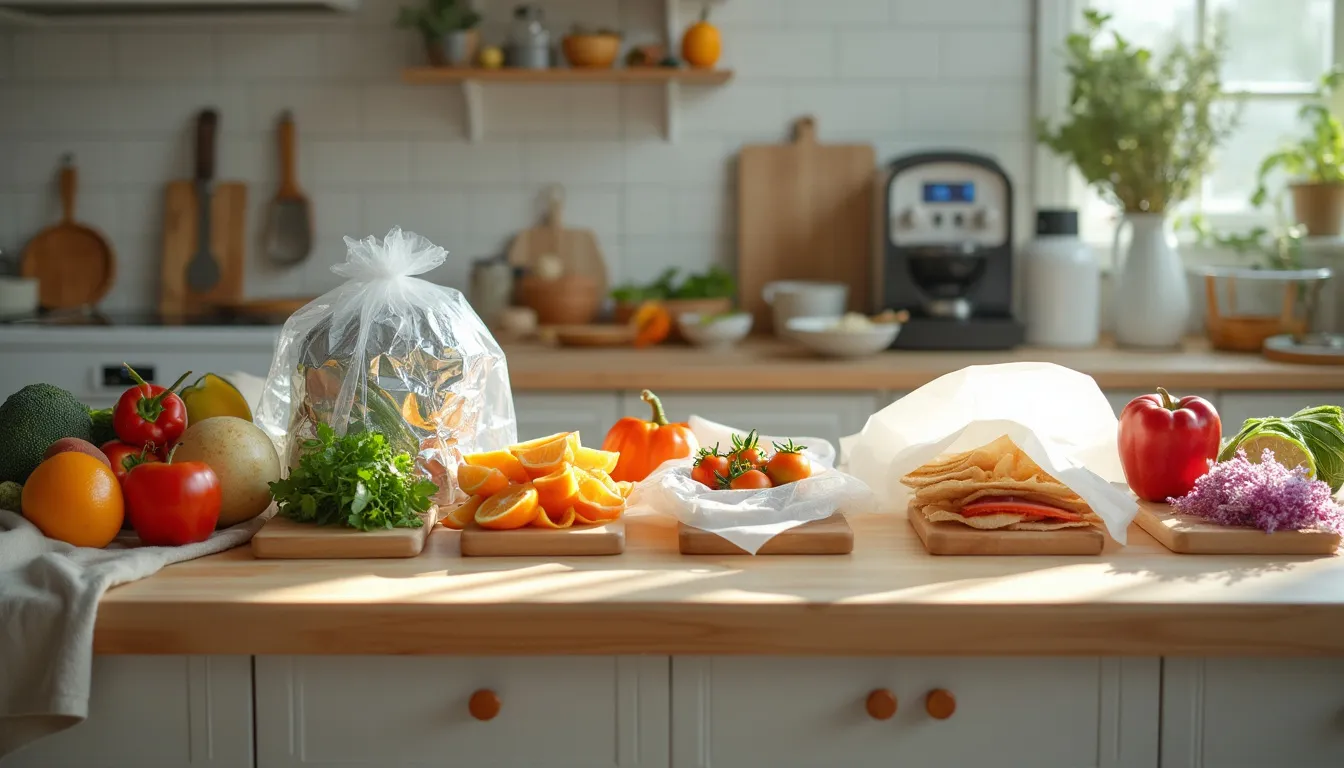
Choosing the right food wrap for your kitchen is an essential step in maintaining food freshness, minimizing waste, and ensuring your culinary creations stay delicious. With a variety of options available, such as plastic wrap, aluminum foil, beeswax wraps, silicone wraps, and parchment paper, it’s crucial to understand the unique characteristics and benefits each type offers. This comprehensive guide will delve into the durability, reusability, and environmental impact of these popular food wraps, helping you make informed decisions that suit your kitchen needs.
When it comes to selecting the best food wrap for your kitchen, several factors come into play. It’s important to consider the compatibility of different food wraps with various types of food, ensuring they provide optimal protection and preservation. Additionally, evaluating your storage needs is key; whether you require a solution for refrigeration, freezing, or pantry storage, finding the appropriate food wrap can enhance the longevity and quality of your stored items. By exploring the strengths and weaknesses of each food wrap, you can confidently choose the best option to keep your food fresh and flavorful while minimizing your environmental footprint.
Understanding Different Types of Food Wrap
When it comes to selecting the best food wrap for your kitchen needs, it’s essential to understand the various options available in the market. The most popular food wrap options include plastic wrap, aluminum foil, beeswax wraps, silicone wraps, and parchment paper. Each type has its unique properties, which cater to specific purposes and preferences. Let’s take a closer look at these common food wrap choices.
Plastic Wrap
Plastic wrap, often referred to as cling film or Saran wrap, is a thin, clear film made from polyvinyl chloride (PVC) or low-density polyethylene (LDPE). It is highly flexible and adheres well to many surfaces, making it ideal for covering bowls, plates, and wrapping various food items.
Pros of plastic wrap include its wide availability, ease of use, and effectiveness in creating airtight seals to help keep food fresh. However, its single-use nature poses significant environmental concerns. Plastic wrap is rarely recyclable and contributes to the global plastic waste problem.
Aluminum Foil
Aluminum foil is a versatile food wrap option made from thin sheets of aluminum. It is known for its durability and excellent heat retention properties, making it widely used in cooking, baking, and grilling.
The primary advantages of aluminum foil include its resistance to high temperatures, ability to create tight seals, and excellent barrier against light, oxygen, and moisture. However, it is not reusable and its production involves a high energy consumption process. While it is recyclable, contamination with food residues can complicate the recycling process.
Beeswax Wraps
Beeswax wraps are made from organic cotton fabric coated with a mixture of beeswax, resin, and jojoba oil. These wraps are a sustainable and eco-friendly alternative to plastic wrap. They are versatile and moldable, allowing them to wrap around various food items and cover containers.
Beeswax wraps boast several benefits, such as being reusable, biodegradable, and compostable. They are also effective in maintaining food freshness by allowing some breathability. However, they can be prone to wear and tear over time and are not suitable for use with hot foods or liquids.
Silicone Wraps
Silicone wraps are made from food-grade silicone and are known for their durability and flexibility. They can be stretched to cover containers of different shapes and sizes and are often designed with multiple uses in mind.
The most significant advantages of silicone wraps include their reusability, resistance to high and low temperatures, and dishwasher-safe nature. Silicone wraps are ideal for wrapping food items and covering containers for refrigeration and pantry storage. Yet, their initial cost can be higher compared to single-use alternatives, and some concerns have been raised about the long-term environmental impact of silicone production.
Parchment Paper
Parchment paper, also known as baking paper, is a cellulose-based paper treated with silicone to make it non-stick and heat-resistant. It is commonly used for baking and food preparation tasks.
Parchment paper is grease-resistant, oven-safe, and easy to use. It is a convenient option for lining baking trays, wrapping foods for steaming or baking, and separating layers of food for freezing. However, it is typically intended for single-use and is not as environmentally friendly as some reusable alternatives. While some parchment papers are compostable, not all varieties meet this criterion.
Comparing Durability, Reusability, and Environmental Impact
When considering durability, reusability, and environmental impact, each type of food wrap offers different advantages and challenges.
Durability
- Plastic Wrap: Offers good durability for single-use applications but can tear easily if overstressed.
- Aluminum Foil: Very durable and can withstand high temperatures, but it is prone to puncturing with sharp objects.
- Beeswax Wraps: Generally durable for multiple uses, although they can become less effective with excessive use or improper care.
- Silicone Wraps: Highly durable and can withstand a wide range of temperatures, making them suitable for multiple uses over time.
- Parchment Paper:: Typically durable for its intended single-use purposes but not suitable for repeated use.
Reusability
- Plastic Wrap: Designed for single-use, not reusable.
- Aluminum Foil: Can be reused in some cases, such as covering and wrapping, but not typically designed for multiple uses.
- Beeswax Wraps: Reusable and typically last for several months with proper care.
- Silicone Wraps: Reusable and designed for long-term use.
- Parchment Paper:: Generally intended for single-use, although it may be reused in some specific cases.
Environmental Impact
- Plastic Wrap: High environmental impact due to single-use nature and challenges with recycling.
- Aluminum Foil: High energy consumption during production but recyclable if clean.
- Beeswax Wraps: Low environmental impact due to reusability, biodegradability, and compostability.
- Silicone Wraps: Moderate environmental impact due to long-term use and durability, but concerns exist about production processes.
- Parchment Paper:: Variable environmental impact depending on whether the paper is compostable or not.
By understanding the characteristics, benefits, and environmental considerations of each type of food wrap, you can make an informed decision on the best food wrap for your kitchen needs.

Factors to Consider When Choosing the Best Food Wrap for Your Kitchen
Assessing Food Compatibility: Which Food Wrap Works Best for Various Types of Food?
When selecting the best food wrap for your kitchen, one of the primary factors to consider is food compatibility. Not all food wraps are created equal, and some wraps work better for specific types of food than others. For instance, plastic wrap is excellent for creating an airtight seal, making it ideal for wrapping sandwiches, cut fruits, and vegetables. On the other hand, beeswax wraps are perfect for cheese and bread due to their breathable yet protective nature, which helps keep food fresh without drying it out.
Aluminum foil stands out for its versatility and strength. It’s great for wrapping roasted meats, baked potatoes, and dishes with high moisture content because it seals well and can withstand high temperatures. Silicone wraps, which are often reusable, provide a sustainable option for covering bowls, casseroles, and leftovers without causing any waste. Parchment paper, although less common as a traditional food wrap, is ideal for baking and wrapping pastries because it resists moisture and grease.
Understanding the specific characteristics of each food wrap type can greatly enhance your kitchen’s efficiency and sustainability. For example, when wrapping acidic foods like tomatoes or citrus fruits, avoid using aluminum foil as it may react with the acids and alter the food’s taste. Similarly, using plastic wrap for hot foods can lead to the release of harmful chemicals. Thus, it’s crucial to match the right food wrap with the types of food you plan to store.
Evaluating Storage Needs: How to Choose the Appropriate Food Wrap for Refrigeration, Freezing, and Pantry Storage
Choosing the right food wrap also depends on your storage needs. Different types of food wraps perform better in certain storage environments, and understanding these nuances can help you keep your food fresher for longer.
For refrigeration, plastic wrap is often the go-to choice due to its clingy nature and ability to create a tight seal around various foods, thus preventing air exposure and moisture loss. Beeswax wraps can also be used in the refrigerator for items like cheese and produce, as they provide a natural and breathable covering that assists in maintaining proper humidity levels.
When it comes to freezing, durability and moisture resistance are key. Aluminum foil is highly effective in this regard because it provides a strong barrier that protects against freezer burn. You can also double-wrap foods with plastic wrap before covering them with foil for an extra layer of protection. Silicone wraps, with their flexibility and reusability, also perform well in the freezer. These wraps can endure low temperatures without becoming brittle, making them suitable for long-term storage.
For pantry storage, consider using materials that offer breathability while guarding against pests and humidity. Parchment paper is an excellent choice for dry goods like baked items and bread, as it prevents them from becoming overly dry. Beeswax wraps are also highly suitable for pantry items, providing a sustainable option that keeps foods like nuts and grains fresh without sealing them too tightly. Silicone wraps can cover bowls and containers, keeping items like cereal and pasta protected without the waste associated with single-use products.
Balancing Environmental Impact With Practicality
In today’s world, balancing environmental impact with practicality is an important consideration in choosing the best food wrap. Traditional plastic wrap, while highly practical, poses significant environmental challenges due to its single-use nature and non-biodegradability. In contrast, beeswax and silicone wraps offer a reusable and eco-friendly alternative. Beeswax wraps are biodegradable and compostable, while silicone wraps can be reused countless times, reducing waste in the environment.
Even aluminum foil, which can be recycled, should be used thoughtfully, considering the energy-intensive process required to produce and recycle it. Parchment paper, especially if it’s unbleached and compostable, provides a more environmentally friendly option for certain tasks, though it may not be as versatile as other wraps.
Cost and Availability
Another practical factor to consider is cost and availability. Plastic wrap is the most widely available and affordable, making it a convenient option for many households. However, investing in reusable wraps like beeswax and silicone can provide long-term cost savings and environmental benefits. Aluminum foil is moderately priced and readily available, but it should be used sparingly due to its environmental impact.
While beeswax wraps and silicone wraps can be more expensive upfront, their durability and reusability can make them more cost-effective over time. Parchment paper is a middle ground in terms of cost, being more expensive than plastic wrap but often less so than aluminum foil or reusable wraps.
Ease of Use and Maintenance
Ease of use and maintenance is another crucial consideration. Plastic wrap is easy to use but often difficult to recycle. Beeswax wraps can be slightly more challenging to handle at first, but they become more pliable with the warmth of your hands. These wraps require simple washing with cool water and mild soap, then air-drying before reuse. Silicone wraps are similarly easy to clean — they can be washed by hand or placed in the dishwasher.
Aluminum foil, while versatile and strong, can be less convenient to handle and clean for reuse, as it can tear easily. Parchment paper is generally a single-use product, but its ease of use for tasks like baking makes it a staple in many kitchens.
In conclusion, selecting the best food wrap for your kitchen requires considering multiple factors, including food compatibility, storage needs, environmental impact, cost, availability, and ease of use. By understanding these aspects, you can make an informed choice that meets your kitchen needs while promoting sustainability and practicality.
Navigating the myriad options of food wrap available for modern kitchens can initially seem overwhelming, but with a clear understanding of the various types and their respective benefits and drawbacks, making an informed choice becomes much simpler. Each type of food wrap—plastic wrap, aluminum foil, beeswax wraps, silicone wraps, and parchment paper—offers distinct advantages aligned with specific kitchen needs. Plastic wrap, known for its flexibility and tight seal, remains a staple for quick, convenient coverage, although its environmental impact might be a concern for eco-conscious consumers. Aluminum foil excels in durability and heat resistance, making it an excellent choice for baking and grilling, but it lacks the reusability aspect.
For those seeking sustainable alternatives, beeswax wraps and silicone wraps emerge as front-runners, with beeswax wraps providing a natural, biodegradable option ideal for covering containers or wrapping sandwiches, and silicone wraps offering impressive durability and reusability, suited for repeated use and easy cleaning. Parchment paper fills a niche role, particularly advantageous for baking due to its non-stick qualities and heat tolerance.
In choosing the optimal food wrap, several factors must be considered. Food compatibility is paramount; different wraps suit different types of food, whether it’s fresh produce, baked goods, or leftovers. Storage needs further dictate the appropriate choice—plastic wrap and beeswax wraps excel in flexibility for refrigerator storage, aluminum foil serves well in freezing due to its resilience, and parchment paper is perfect for pantry storage of baked goods to maintain freshness without sticking.
Ultimately, the best food wrap for your kitchen hinges on balancing convenience, sustainability, food type, and storage requirements. By weighing these factors and understanding the unique properties of each option, you can select the most suitable food wrap that meets both your culinary and environmental needs, ensuring your kitchen remains efficient and eco-friendly.


