


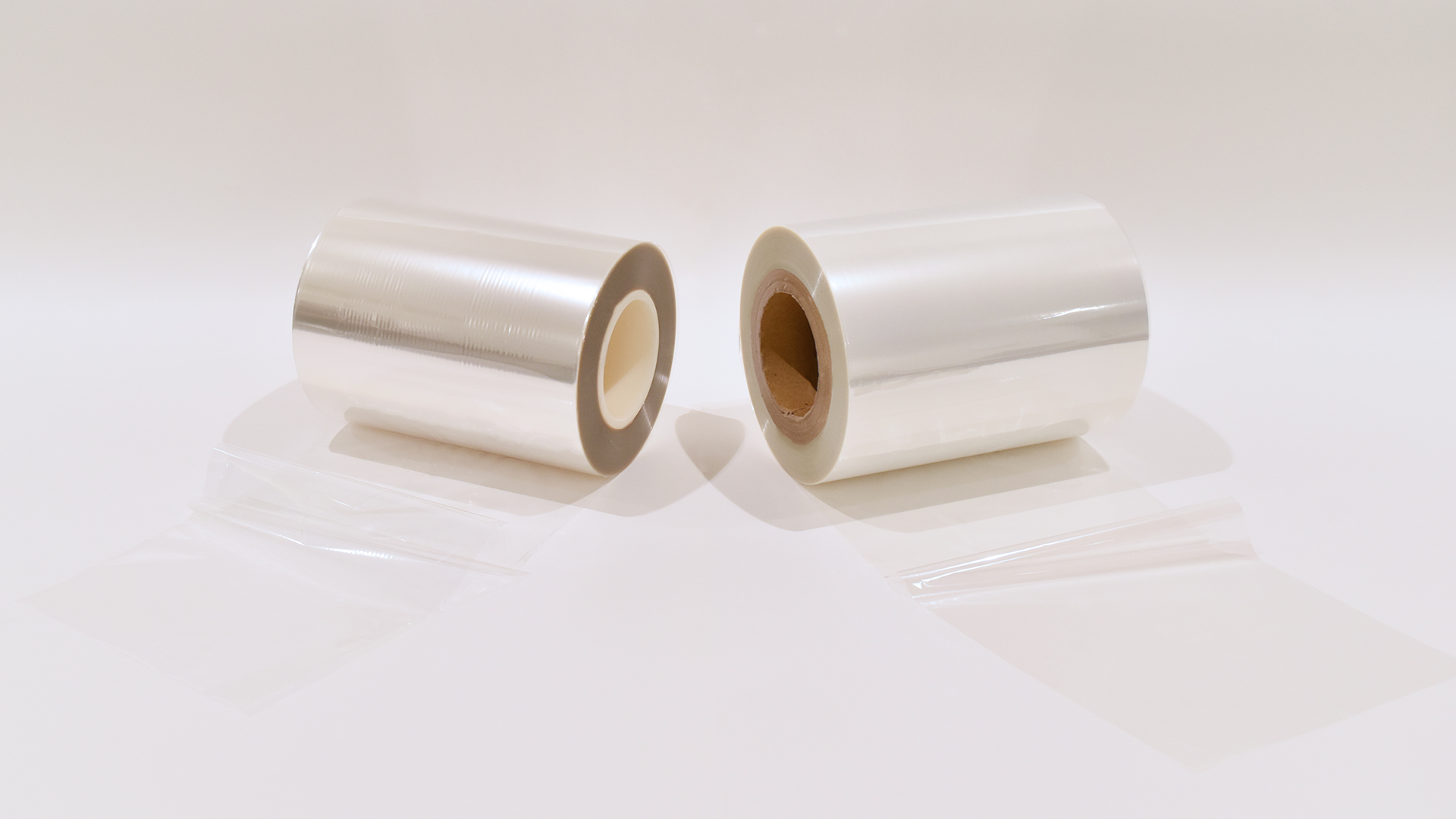
For decades, multi-layer plastic packaging was considered the gold standard — combining different polymers into one structure to achieve strength, clarity, sealing performance, and barrier protection.
But today, the global shift toward sustainability has transformed this approach. Instead of combining materials, brands now prioritize mono-material packaging, especially mono-material polyethylene (PE), because it supports recyclability, reduces carbon footprint, lowers cost, and simplifies waste management.
At TP Plastic USA, we’ve aligned our entire product development strategy with this shift. From stretch film to mailer bags, trash bags, plastic bags, and aprons, we design packaging using single-polymer PE structures that perform better while supporting a truly circular economy.
This is why mono-material PE is rapidly becoming the new global standard.
1. What Is Mono-Material PE Packaging?
Mono-material packaging means the entire film or product is made from one polymer family — in this case, polyethylene (PE), including:
-
LDPE (Low-Density Polyethylene)
-
HDPE (High-Density Polyethylene)
-
LLDPE (Linear Low-Density Polyethylene)
These resins blend easily, recycle together, and are compatible with resin identification codes:
-
#2 HDPE
-
#4 LDPE
This makes mono-material PE packaging widely recyclable across the U.S. and global recycling systems.
2. Why the World Is Moving Away from Multi-Layer Films
Multi-layer structures often include incompatible materials like:
-
PET + PE
-
PP + PE
-
Nylon + PE
-
EVOH + PE
-
Mixed laminated films
These layers provide excellent performance—but they cannot be separated during recycling, which means:
-
They contaminate recycling streams
-
They cannot be reprocessed into clean resin
-
Most end up in landfills or waste-to-energy systems
-
They increase carbon footprint due to complex manufacturing
As global regulations tighten, multi-layer packaging becomes harder to justify.
3. The Case for Mono-Material PE: Simple, Strong, and Recyclable
Mono-material PE checks all the boxes for modern sustainability requirements:
♻️ 1. Fully Recyclable Within Existing Infrastructure
PE is one of the easiest plastics to recycle.
Mono-PE packaging can enter LDPE (#4) or HDPE (#2) recycling streams without contamination.
🌎 2. Lower Carbon Footprint
Compared to multi-layer films, mono-PE:
-
Uses less energy during extrusion
-
Has fewer processing stages
-
Produces fewer offcuts
-
Integrates recycled resin more easily
⚙️ 3. Simpler Manufacturing & Fewer Defects
Single-material structures eliminate layer delamination issues and reduce quality variation.
💰 4. Lower Cost & Higher Efficiency
Mono-material lines:
-
Require less maintenance
-
Run faster
-
Produce less waste
-
Support downgauging (lighter films)
📦 5. Better for OEM/ODM Customization
No complex combinations → faster development → easier testing → smoother certification.
Mono-material PE is sustainability without complexity.
4. How TP Plastic USA Uses Mono-Material PE Across Our Product Lines
We follow a “mono-first” philosophy — choosing polyethylene structures whenever possible to maximize recyclability and minimize environmental impact.
a) Stretch Film (LLDPE Mono-Layer or Multi-Layer PE Only)
Our stretch film is made using pure LLDPE / LDPE combinations without mixing non-PE layers.
This ensures:
-
100% recyclability
-
Stable stretch ratio
-
Uniform thickness
-
Strong load containment
→ Perfect for distribution centers, warehouses, palletizing, and export.
b) LDPE Mailer Bags (Mono-LDPE)
All mailers are produced using a single LDPE-based structure, even when color masterbatch or PCR resin is added.
Benefits:
-
Fully recyclable (#4)
-
Smooth print surface
-
Lightweight yet tear-resistant
-
Compatible with USPS, UPS, Amazon requirements
c) HDPE/LLDPE Trash Bags (Mono-HDPE or Mono-LDPE)
Our trash liners use high-strength mono-material PE structures.
Advantages:
-
High tensile strength
-
Efficient downgauging
-
Excellent sealing performance (star-seal)
-
Recycled-content compatible
-
Food-service safe (for non-color bags)
d) HDPE/LDPE Plastic Bags (Retail & Food-Service Packaging)
Mono-material PE ensures:
-
Clearer film
-
Better heat sealing
-
Cleaner recycling streams
-
Superior weight load performance
Applications:
-
Grocery bags
-
Deli bags
-
Freezer bags
-
Flat bags & T-shirt bags
-
Industrial packaging
e) CPE/TPE Gloves (PE-Based Casting Film)
Although CPE and TPE have specific formulas, they remain compatible with PE recycling streams in many U.S. regions, supporting practical recyclability when collected at scale.
5. Why U.S. Retailers Prefer Mono-Material Packaging
Major retailers and logistics operators have published strict guidelines favoring mono-material PE.
Walmart / Sam’s Club Recyclability Index
♻️ Prioritizes #2 and #4 packaging
❌ Discourages multi-layer mixed materials
Amazon ISTA Packaging Requirements
Supports packaging that:
-
Uses fewer materials
-
Is easier to recycle
-
Has lower carbon impact
U.S. Recycling Facilities
Most MRFs (Material Recovery Facilities) already accept LDPE and HDPE — no new investment required.
Choosing mono-material PE = compliance with future global retail standards.
6. Mono-PE Improves Circular Economy Performance
A circular system depends on materials that can be recycled repeatedly without quality loss.
Mono-material PE supports:
-
High-quality recycled resin (PCR & PIR)
-
Easier sorting
-
Better bale purity
-
Stronger market demand for recyclate
-
Fewer impurities in reprocessing
This strengthens the entire recycling ecosystem — from consumer to recycler to manufacturer.
7. The Future: Advanced Mono-PE Films with High Performance
New innovations are making mono-material PE more capable than ever:
-
High-clarity PE replacing PET layers
-
MDO-PE films providing stiffness & barrier properties
-
Recyclable PE-based laminates
-
Additives enabling downgauging without strength loss
-
PCR-PE blends that match virgin performance
The message from global R&D is clear:
Mono-material PE will lead the next decade of packaging innovation.
8. How TP Plastic USA Supports Customers in This Transition
We help brands make the switch to mono-PE through:
-
Custom film engineering
-
Recyclability assessment
-
Packaging redesign for circularity
-
Testing with PCR content
-
ASTM D7611 resin identification
-
Carbon reduction modeling
-
U.S. warehouse distribution for easier adoption
Our goal:
make sustainability practical, affordable, and high-performance.
Conclusion: Mono-Material PE Is the Future of Responsible Packaging
The shift from multi-layer to mono-material PE isn’t just a trend — it’s a global transformation driven by recyclability, cost efficiency, and environmental responsibility.
At TP Plastic USA, mono-material philosophy defines everything we produce:
Because better packaging isn’t only about strength —
it’s about designing for a circular world.


