


Table of Contents
ToggleNot All Plastic Bags Are the Same
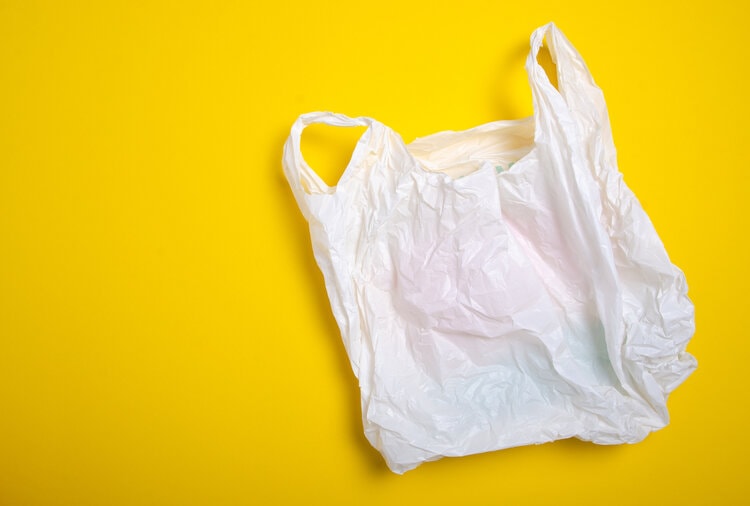
When most people think of a “plastic bag,” they imagine a simple everyday item — lightweight, transparent, and disposable.
But in the world of manufacturing and packaging, not all plastic bags are created equal.
The type of resin used — whether HDPE (High-Density Polyethylene) or LDPE (Low-Density Polyethylene) — completely changes a bag’s texture, clarity, strength, and recyclability.
Understanding these materials is crucial not only for end-users but also for retailers, wholesalers, and businesses choosing the right packaging solution for their products.
In this post, we’ll explore the key differences between HDPE vs LDPE plastic bags, their advantages, applications, and how choosing the right one can help your business save cost, improve performance, and support sustainability goals.
1. What Are HDPE and LDPE?
Both HDPE and LDPE belong to the same family of plastics — polyethylene (PE) — the world’s most widely used polymer.
Their main difference lies in their molecular structure, which affects everything from strength to flexibility.
|
Type |
Full Name |
Density |
Common Properties |
|---|---|---|---|
|
HDPE |
High-Density Polyethylene |
0.94–0.97 g/cm³ |
Strong, stiff, less transparent |
|
LDPE |
Low-Density Polyethylene |
0.91–0.93 g/cm³ |
Soft, flexible, more transparent |
HDPE has tightly packed molecules, giving it a more rigid structure, while LDPE has more branching, resulting in softness and elasticity.
2. HDPE Plastic Bags: Strength and Cost Efficiency
HDPE plastic bags are known for their high strength-to-density ratio.
They are thinner than LDPE bags but can hold heavier loads without tearing, making them a popular choice for supermarkets, grocery stores, and industrial packaging.
Key Features of HDPE Bags:
Stiffer and more rigid feel
Matte or slightly cloudy appearance
Excellent tensile strength
Resistant to punctures and chemicals
Cost-effective for high-volume use
Common Applications:
T-shirt bags / thank-you bags in retail stores
Trash bags for light to medium waste
Produce bags at grocery counters
Packaging liners for bulk items
Fun fact: The familiar “crinkly” sound of grocery store bags comes from HDPE — a sign of strength and efficiency.
3. LDPE Plastic Bags: Soft, Flexible, and Premium Feel
LDPE plastic bags, on the other hand, are smoother, glossier, and more flexible.
They offer higher clarity, making them ideal for retail and consumer packaging where appearance matters.
Key Features of LDPE Bags:
Softer, stretchable texture
High clarity and shine
Resistant to moisture and impact
Suitable for heat sealing and printing
Slightly higher cost than HDPE
Common Applications:
Retail shopping bags
Mailer and courier bags
Food packaging and freezer bags
Drawstring and zipper storage bags
LDPE bags are the preferred choice for brands that prioritize visual appeal and touch quality — especially in fashion, food, and e-commerce packaging.
4. Beyond HDPE and LDPE: Exploring Other Plastic Materials
While HDPE and LDPE dominate the plastic bag market, other materials are also emerging for specialized needs:
4.1. LLDPE (Linear Low-Density Polyethylene)
A blend that combines LDPE’s flexibility with added strength.
Commonly used in stretch film, garbage bags, and liners that require durability.
4.2. TPE and CPE
Thermoplastic Elastomer (TPE) and Cast Polyethylene (CPE) are used in gloves and aprons, offering soft touch and high tear resistance — perfect for medical, beauty, and cleaning industries.
4.3. Biodegradable and Compostable Blends
Modern eco-alternatives like PLA and PBAT are being introduced to reduce environmental impact, though they require specific composting conditions.
5. Choosing Between HDPE and LDPE: Which Is Better for Your Business?
The best choice depends on your product type, customer experience goals, and sustainability strategy.
|
Requirement |
Recommended Material |
Why |
|---|---|---|
|
Heavy-duty load |
HDPE |
Stronger and puncture-resistant |
|
Premium retail packaging |
LDPE |
Clearer and smoother finish |
|
Cost efficiency |
HDPE |
Lower resin cost and thinner gauge |
|
Food contact and hygiene |
LDPE |
Excellent moisture barrier |
|
Eco-friendly options |
Recycled LDPE/HDPE |
Supports PCR initiatives |
Pro tip: Many businesses now use a hybrid PE blend — balancing the cost efficiency of HDPE with the visual appeal of LDPE.
6. Sustainability and Recycling: The Role of Polyethylene Bags
Despite their negative image, HDPE and LDPE plastic bags are 100% recyclable when properly collected and processed.
Both materials fall under recycling code #2 (HDPE) and #4 (LDPE), meaning they can be remade into:
Recycled trash liners
Composite lumber
Outdoor furniture
Packaging film
At TP Plastic USA, our facilities support PCR (Post-Consumer Recycled) and PIR (Post-Industrial Recycled) materials — helping reduce waste and close the loop in the circular economy.
7. The Future: Smarter, Lighter, and Greener Plastic Bags
The plastic bag industry is undergoing a quiet revolution.
Advances in polymer science and sustainability technology are leading to:
Thinner yet stronger films that use less resin.
Recyclable mailer bags made from 100% LDPE.
Additive-free PE films for cleaner recycling.
Digital tracking (QR/DPP) for material traceability.
The goal is simple: to create smart packaging that protects both products and the planet.
8. How TP Plastic USA Helps You Choose the Right Bag
With over 20 years of experience in plastic manufacturing and global exports, TP Plastic USA provides a full range of plastic bags tailored for retail, wholesale, and industrial applications.
Our Key Offerings Include:
HDPE/LDPE T-shirt Bags (Thank You Bags)
Drawstring / Starseal / Flatseal Trash Bags
Mailer Bags and Ziplock Bags
Every bag is produced under ISO-certified conditions, with consistent thickness, tensile strength, and recycling compatibility.
Whether you’re looking for cost-efficient grocery bags or premium LDPE packaging for retail, TP Plastic USA offers both performance and sustainability — without compromise.
Conclusion: The Right Plastic for the Right Purpose
Choosing between HDPE vs LDPE plastic bags isn’t just a technical decision — it’s a strategic one.
By understanding the properties and performance of each, your business can reduce waste, optimize cost, and align with modern sustainability standards.
At TP Plastic USA, we believe that innovation, transparency, and quality are the foundations of smarter packaging.
From everyday retail bags to custom OEM designs, we help you find the perfect material for your needs — strong, clean, and reliable.
TP Plastic USA – The quality you can trust.
Website: tpplasticusa.com / truongphuocplastic.com
Email: contact@tpplasticusa.com
Zalo/WhatsApp: (+1) 818 914 0351 / (+84) 915 871 722


