


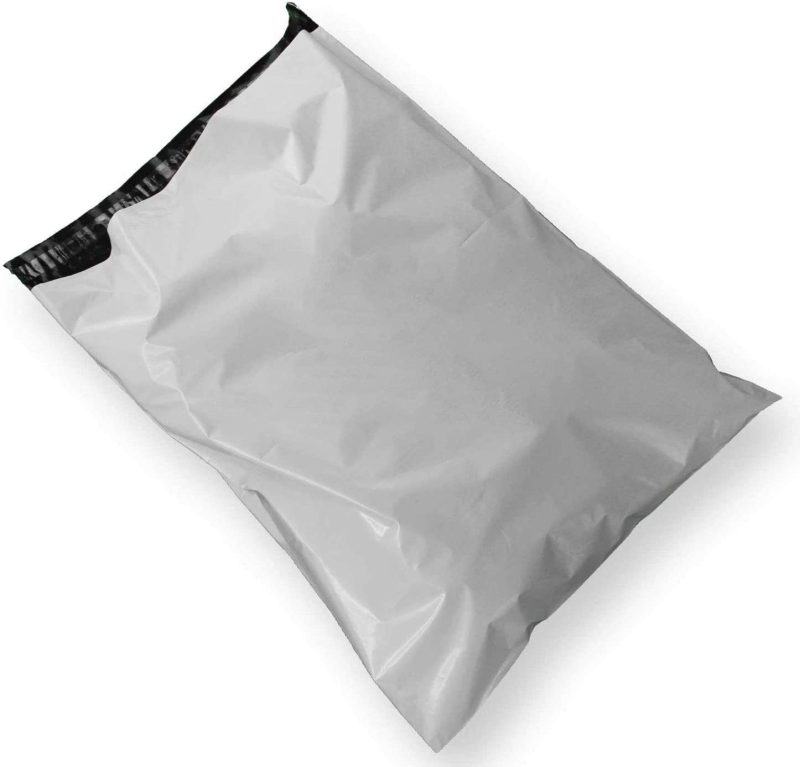
Poly mailers are one of the most versatile, cost-effective packaging solutions used by U.S. e-commerce sellers, fulfillment centers, and retail brands. They are lightweight, waterproof, flexible, and inexpensive to ship — making them ideal for apparel, accessories, beauty items, and most soft or boxed products.
But choosing the right poly mailer is not as simple as selecting a size.
The mailer’s thickness, resin quality, tear strength, seal performance, opacity, and construction all determine how well it protects your product.
A low-quality mailer might look fine but can fail under pressure: tearing on conveyor belts, opening during transit, or showing through thin material and exposing customer privacy. These failures cost businesses far more than the packaging itself.
This comprehensive guide explains everything U.S. shippers need to know before selecting a poly mailer — and why the right choice depends on your product type, fulfillment workflow, carrier handling, and brand standards.
Table of Contents
Toggle1. The Role of Poly Mailers in Modern Shipping
Poly mailers have become the default packaging for e-commerce because they:
reduce postage cost
are flexible and lightweight
resist moisture and dirt
pack tightly for storage
speed up packing operations
protect soft goods without needing a box
Retailers using poly mailers include:
clothing brands
online boutiques
Etsy sellers
subscription box companies
health & beauty brands
Amazon/Walmart Marketplace sellers
Poly mailers allow sellers to ship products efficiently without compromising presentation or protection for soft goods.
2. Understanding Poly Mailer Thickness (Mil vs Micron)
Thickness determines the durability and tear resistance of a poly mailer. It is typically measured in mil in the U.S. market.
Common Poly Mailer Thicknesses:
|
Thickness |
Best Use Cases |
|---|---|
|
1.5 mil |
T-shirts, leggings, soft apparel |
|
2.0 mil |
Standard e-commerce shipments, light retail items |
|
2.5 mil |
Higher-value goods, heavy apparel, subscription shipments |
|
3.0 mil+ |
Industrial goods, items with hard edges, boutique premium packaging |
A thicker mailer doesn’t always mean better — the key is matching thickness to product weight and USPS/UPS handling conditions.
3. Material Quality: Why Resin Matters More Than Thickness
Two poly mailers with the same thickness can perform very differently depending on the materials used.
High-quality mailers use:
premium LLDPE resin
controlled co-extrusion
consistent gauge distribution
Low-quality mailers:
tear easily
have weak seams
feel thin or brittle
allow contents to show through
stretch excessively during packing
What High-Quality Resin Improves:
tear resistance
puncture strength
opacity
smooth sealing
bag stiffness (helps during high-speed packing)
This is why TP Plastic USA uses controlled resin blends for premium performance.
4. Dual-Layer (Co-Ex) vs Single-Layer Mailers
Most professional mailers today use dual-layer co-extrusion:
Outer Layer
smooth for printing
cosmetic finish (matte or gloss)
scratch-resistant
Inner Layer
opaque to protect privacy
tough, durable
resists stretching and tearing
Benefits of Dual-Layer Mailers:
more tear-resistant than single-layer
cleaner appearance
harder to tamper with
higher puncture protection
better thickness consistency
Single-layer mailers are cheaper but far less reliable — suitable only for extremely light goods.
5. Tear Resistance: Your #1 Indicator of Mailer Quality
Tear resistance determines whether a mailer survives real-world shipping challenges.
What Your Mailer Must Withstand:
USPS/UPS/FedEx conveyor pressure
friction against metal chutes
corner pressure from boxed products
sharp retail boxes inside shipment
accidental overstuffing
drops, dragging, or rough handling
If a mailer tears easily, thickness doesn’t matter — the shipment is compromised.
What Improves Tear Resistance:
resin strength
multi-layer construction
proper seal reinforcement
even gauge distribution
material flexibility
This is why high-end co-ex mailers deliver dramatically better performance.
6. Adhesive Strength: The Seal Determines Package Security
The adhesive strip is the most important part of the mailer after the material.
Weak adhesive = returns, lost items, negative reviews.
Types of Seals:
Standard Seal
Suitable for basic shipments; can be opened with effort.
Permanent Seal (recommended)
Tamper-proof.
Cannot be opened without visible damage.
Double Adhesive Stripe
Ideal for returns:
one strip for original shipment
one strip for customer return shipping
Adhesive Failures Often Caused By:
cheap glue
low coating weight
dusty or contaminated production environment
incorrect storage temperature
weak strip placement
TP Plastic USA uses consistent adhesive application to ensure guaranteed sealing.
7. Opacity and Privacy: A Critical Factor for Apparel Brands
Many sellers overlook opacity — yet it matters for customer trust and brand protection.
Opaque mailers prevent:
product visibility during delivery
theft / shrinkage
privacy concerns for sensitive shipments
exposure of brand items that tempt porch pirates
Dual-layer mailers provide superior opacity versus single-layer alternatives.
8. Mailer Sizing: How to Choose the Right Size for Your Products
Selecting the correct size prevents both waste and damage.
Most Common Poly Mailer Sizes in the U.S.:
|
Size |
Best For |
|---|---|
|
6×9 |
cosmetics, accessories, small items |
|
7.5×10.5 |
books, small beauty products |
|
9×12 |
shirts, leggings |
|
10×13 |
hoodies, multiple clothing items |
|
12×15.5 |
bulk apparel, jackets |
|
14.5×19 |
heavy coats, soft goods, multi-item orders |
Sizing Tips:
Do not choose overly large bags (creates wrinkles + wasted space)
Do not overstuff smaller bags (increases tear risk)
Leave 1–2 inches of buffer for proper sealing
Proper sizing improves packing speed and reduces returns.
9. Customization: Branding Opportunities for Growing U.S. Sellers
Poly mailers are also a marketing tool.
Custom Options Include:
brand logos
color mailers
promotional graphics
QR codes
seasonal designs
Custom mailers enhance brand identity and influence customer perception upon delivery.
TP Plastic USA offers custom-printed mailers with MOQs suitable for growing brands.
10. Environmental Considerations: Eco-Friendly Poly Mailers
Sustainability matters to modern consumers.
Eco Options Include:
recyclable LDPE mailers
reduced-thickness downgauged mailers
post-consumer recycled (PCR) content
biodegradable or compostable versions
Downgauging is one of the easiest cost-saving + eco-friendly upgrades:
less material
lower weight
reduced shipping cost
While still maintaining strength using multi-layer construction.
11. 10 Common Poly Mailer Problems — And How to Avoid Them
These issues often happen with low-quality suppliers:
Tearing during packing
Seal lifting in hot climates
Weak seams splitting open
Thin spots from poor extrusion
Uneven glue strip placement
Low opacity
Film stretching excessively
Bag jam on conveyors
Static buildup during packing
Bags sticking together improperly
TP Plastic USA solves these with strict quality control and consistent resin-blend engineering.
12. Why TP Plastic USA Poly Mailers Perform Better
We design poly mailers specifically for U.S. e-commerce operations:
✔ Premium co-extruded resin
✔ Strong permanent adhesive
✔ Reinforced edges
✔ Multi-size catalog
✔ Custom printing options
✔ High puncture resistance
✔ True thickness across entire roll
✔ U.S.-based stock for fast shipping
Combined, these features reduce:
fulfillment issues
package damage
negative customer reviews
return shipping costs
Conclusion
Choosing the right poly mailer requires more than picking a size and color.
It involves understanding:
product weight
thickness
material quality
tear resistance
sealing reliability
branding needs
cost efficiency
A high-quality mailer pays for itself by reducing returns, preventing tampering, and improving customer satisfaction.
TP Plastic USA provides durable, customizable poly mailers engineered for modern e-commerce challenges — ensuring every shipment arrives safely and professionally.


