


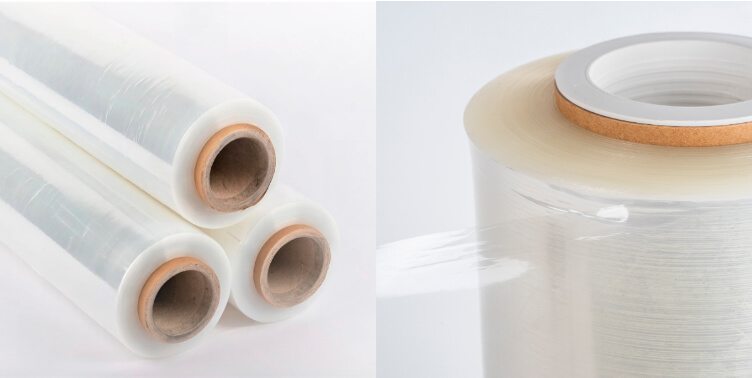
When it comes to stretch film, thickness is everything. The right thickness can mean the difference between a securely wrapped pallet and one that falls apart during transit. But when you’re choosing stretch film for your business, you’ll encounter two common measurements: micron and mil. Understanding the difference between them is essential to ensuring you choose the right stretch film for your packaging needs.
This article provides a stretch film thickness guide, explaining the key differences between micron and mil, how to measure film thickness, and how to choose the right thickness for various load types.
What Is Stretch Film Thickness?
Stretch film thickness refers to the physical density of the plastic material. The thicker the film, the more robust it is, and the more weight or stress it can handle.
However, thicker film isn’t always better. For example:
-
Too thick: May result in unnecessary material usage and higher costs.
-
Too thin: May tear easily or fail to properly secure the load.
The goal is to find the ideal balance between strength and efficiency.
Mil vs Micron: What’s the Difference?
What Is a Mil?
A mil is a unit of measurement that represents thousandths of an inch.
1 mil = 0.001 inches
What Is a Micron?
A micron (also called a micrometer) is a metric unit used to measure thickness.
1 micron = 0.00003937 inches (or 1/1,000,000 of a meter)
Key Difference:
-
Mil is more commonly used in the U.S. and is easier to understand when dealing with larger, thicker films (like stretch films for heavy loads).
-
Micron is typically used internationally and is more precise for measuring thin films.
Conversion Example:
1 mil = 25.4 microns
Why Thickness Matters: Load Protection and Efficiency
The choice between mil or micron depends on the nature of the load being wrapped. Different applications require different levels of film strength and performance.
Light Loads
For lighter pallets, thinner films may be sufficient. These films:
-
Require less material
-
Offer greater flexibility
-
Provide a more cost-effective solution
Heavy Loads
For heavy pallets, thicker films are necessary. These films:
-
Provide higher puncture and tear resistance
-
Secure larger or irregularly shaped loads
-
Offer better containment during transportation
How to Choose the Right Film Thickness
1. Understand Your Load
Before choosing film thickness, ask:
-
What is the weight of the load?
-
What is the shape or size of the load?
-
Will the load be exposed to sharp edges or rough handling?
2. Consider the Application
-
Hand Stretch Film: Often used for low-volume operations or when pallet wrapping is done manually. A typical thickness for hand film ranges from 50 to 100 gauge (around 1–2 mil or 25–50 microns).
-
Machine Stretch Film: Often used for high-volume wrapping, providing better consistency and efficiency. Machine films are typically thicker, ranging from 60 to 120 gauge (around 1.5–3 mil or 38–75 microns).
3. Puncture Resistance vs. Stretch
-
Higher Stretch: Generally achieved with thinner film (providing better elongation and flexibility).
-
Higher Puncture Resistance: Achieved with thicker film (better for harsh conditions).
4. Stretch Film Type
-
Cast Film: Generally thinner, clearer, and quieter during application. It’s better for uniform, lighter loads.
-
Blown Film: Thicker, stronger, and ideal for heavy-duty, irregular loads.
What Thickness Should You Choose?
For Light Loads (10–25 pounds):
-
Film Thickness: 50–60 gauge (1–1.5 mil or 25–38 microns)
-
Suitable for: Small boxes, apparel, soft goods
For Medium Loads (25–50 pounds):
-
Film Thickness: 60–80 gauge (1.5–2 mil or 38–50 microns)
-
Suitable for: Office supplies, electronics, small furniture
For Heavy Loads (50+ pounds):
-
Film Thickness: 80–120 gauge (2–3 mil or 50–75 microns)
-
Suitable for: Large pallets, irregular items, industrial goods
Stretch Film and Cost Efficiency
Thicker films often cost more per roll but may be more cost-efficient in the long run because:
-
They reduce the need for multiple wraps
-
Provide better protection
-
Lower the risk of product damage
However, overwrapping with a thick film can increase material costs unnecessarily. The key is to match film thickness to the load and handling conditions.
The Importance of Consistency in Stretch Film Thickness
The consistency of thickness across batches is critical:
-
Inconsistent film thickness may result in some areas being under-protected.
-
If the film is thinner in certain sections, the load may not be fully contained.
-
Poor-quality film can fail, leading to damaged goods and increased shipping costs.
Make sure to source stretch film from reputable suppliers who guarantee consistent thickness and quality.
How to Measure Stretch Film Thickness
To measure film thickness accurately:
-
Check the product specifications provided by the supplier (mil or micron rating).
-
Test samples: Use a micrometer or caliper to measure the actual thickness across different areas of the film.
-
Ensure uniformity across all rolls—especially if purchasing in bulk.
Environmental Considerations: Thinner Doesn’t Always Mean Greener
Some assume that thinner films are more environmentally friendly due to reduced plastic use. However:
-
Thinner films can lead to more frequent use and greater material waste.
-
Thicker, high-performance films may reduce the need for rewraps, ultimately lowering overall plastic use.
In many cases, the right thickness reduces waste and increases sustainability efforts.
Final Thoughts: Balance Strength and Efficiency
Choosing the right stretch film thickness is crucial for:
-
Protecting your load
-
Reducing costs
-
Improving packaging efficiency
By understanding the difference between mil and micron, and matching the right thickness to your needs, businesses can optimize their shipping operations and ensure their products reach their destination safely.


